You know you should take care of your teeth to prevent problems like cavities and bad breath. Perhaps you brush your teeth quickly each morning as part of your routine, but don’t think much about it. You may assume that as long as your teeth don’t hurt, you don’t need to worry too much about your dental health.
But your dental health affects your overall health. In fact, for some people, it may even be the difference between life and death. That’s because recent studies have shown that poor dental health may increase your risk of heart attack, stroke, and other cardiovascular problems.
Plaque, tartar, and gum disease
Your mouth is constantly being attacked by plaque, a sticky film containing bacteria and acids that clings to your teeth each day. Fortunately, proper dental care will remove plaque before it can cause long-term problems.
But, when plaque isn’t removed within 24 hours, it hardens into tartar – which is the main cause of gum disease, or periodontitis. This causes inflammation and damage to your gums, allowing potentially dangerous bacteria to get inside your gums and invade your mouth and body. Millions of Americans have gum disease but many don’t know it, because the symptoms are often mild at first.
The heart connection
Most people wouldn’t think that forgetting to floss or skipping their dental appointments could affect their heart health. But, numerous studies have shown that people with higher levels of gum-disease-causing bacteria in their mouths also have higher risk factors for heart attack and stroke.
Although experts aren’t sure how – or why – bacteria in the mouth can harm the heart, they do know there’s an association. And physicians and dentists agree it’s a risk that’s not worth taking. How can you keep those bad germs in check and keep your mouth – and body – as healthy as possible? Follow these simple steps:
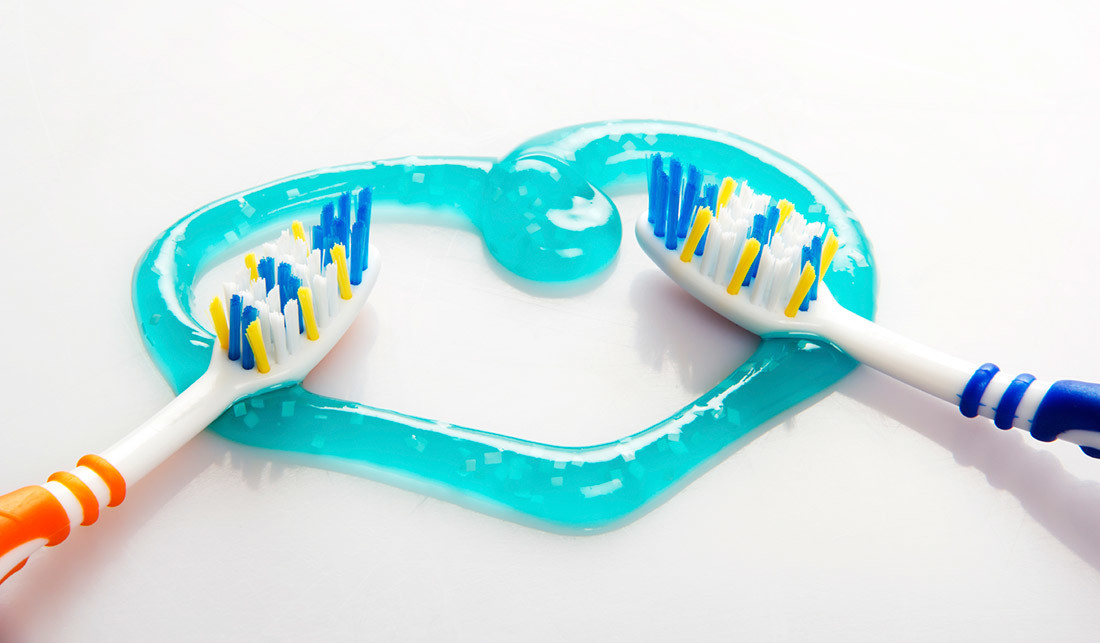
- Brush at least twice a day with a toothbrush approved by the American Dental Association and a fluoride toothpaste.
- Floss once a day. Get between each tooth all the way down to the gum line.
- Replace your toothbrush every three months, or sooner if it shows signs of wear.
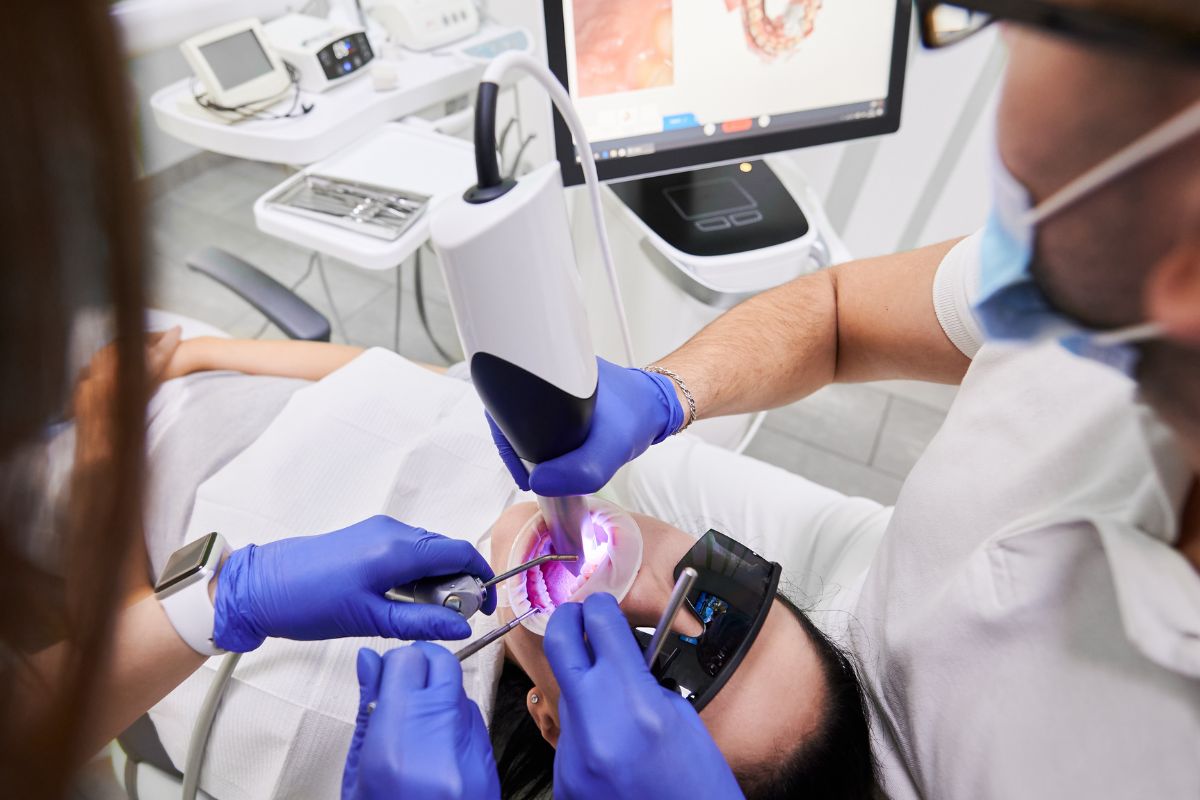
- See your Beaumont dentist at Gulfside Dental every six months for a cleaning and exam. Your dentist can remove any tartar build-up, check the health of your gums, and address any problems with your teeth.
Heart disease is the number one killer of men and women in our country today – so doing whatever you can to minimize your risk will help you lead a longer, healthier life. Keep in mind that many other factors can affect your heart health, such as smoking, being overweight, poor diet, or lack of exercise. See your physician regularly to discuss your overall health and any screenings you may need.
Is it time to see your dentist for a checkup? could be one of the best things you do for your mouth – and your heart.
FAQs
How is oral health connected to heart health?
Poor oral health, especially gum disease, can allow bacteria to enter the bloodstream and may increase the risk of heart problems like inflammation and infections.
Can gum disease affect the heart?
Yes, gum disease (periodontitis) has been linked to conditions such as heart disease, clogged arteries, and stroke due to ongoing inflammation in the body.
How often should I visit the dentist for better overall health?
Most people should visit the dentist every six months for cleanings and checkups. Regular visits help prevent gum disease and support overall health.
What are the signs of gum disease I should watch for?
Common signs include red or swollen gums, bleeding while brushing, bad breath, and gum recession. Early treatment can prevent serious health issues.
Can improving oral hygiene lower heart risks?
Good daily habits like brushing, flossing, and regular dental visits can reduce bacteria and inflammation, which may help lower the risk of heart-related problems.