Dental implants are widely regarded as an effective solution for replacing missing teeth and restoring oral function and aesthetics. However, as with any medical procedure, it’s essential to understand the potential risks and considerations associated with dental implants. One such concern is the potential link between oral cancer and dental implants. In this article, we’ll explore this topic in-depth, providing valuable insights for residents considering dental implant treatment.
Understanding Oral Cancer and Its Risk Factors
Oral cancer refers to cancer that develops in the mouth or throat, including the lips, tongue, gums, floor of the mouth, and roof of the mouth. Like other forms of cancer, oral cancer can have serious consequences if not detected and treated early. Several risk factors are associated with the development of oral cancer, including:
- Tobacco use (smoking or chewing)
- Heavy alcohol consumption
- Prolonged sun exposure (for lip cancer)
- Human papillomavirus (HPV) infection
- Poor oral hygiene and chronic irritation of the oral tissues
Exploring the Potential Link Between Oral Cancer and Dental Implants
While dental implants themselves are not considered a direct cause of oral cancer, some studies have suggested a possible association between dental implants and an increased risk of oral cancer in certain individuals. However, it’s important to note that the evidence linking dental implants to oral cancer remains inconclusive, and further research is needed to understand this relationship fully. Some potential factors that may contribute to this association include:
- Chronic inflammation or irritation of the oral tissues surrounding the implant site
- Poor oral hygiene practices lead to peri-implantitis (inflammation of the tissues around the implant)
- Smoking or tobacco use, which are known risk factors for both dental implant failure and oral cancer
- Genetic predisposition or individual susceptibility to cancer development
Minimising Risks and Ensuring Oral Health
While the potential link between oral cancer and dental implants warrants consideration, it’s essential to emphasise that dental implants remain a safe and effective treatment option for most patients. By taking proactive steps to minimise risks and maintain oral health, individuals can undergo dental implant treatment with confidence. Some strategies for reducing the risk of complications include:
- Maintaining optimal oral hygiene, which entails consistent brushing, flossing, and scheduling routine dental examinations
- Avoiding tobacco use and limiting alcohol consumption
- Following the post-operative care instructions provided by your dental implant specialist
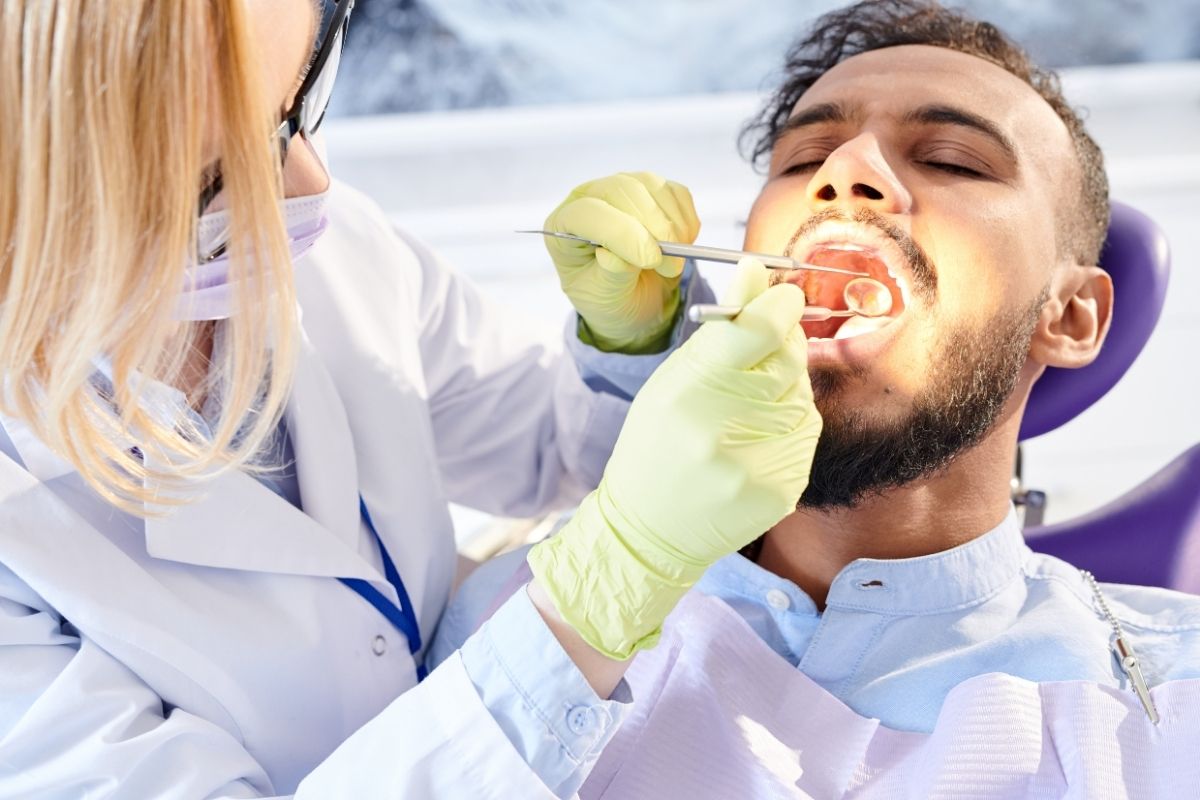
- Undergoing routine oral cancer screenings as part of your dental check-ups
Conclusion
As residents explore dental implant treatment to restore their smiles and oral function, it’s important to have a comprehensive understanding of potential risks and considerations, including the possible link between oral cancer and dental implants. While further research is needed to elucidate this relationship fully, individuals can take proactive steps to minimise risks and prioritise oral health throughout the dental implant process. By working closely with dental specialists and adhering to recommended oral hygiene practices, patients can enjoy the benefits of dental implants while safeguarding their long-term oral health and well-being.
FAQs
1. Can dental implants cause oral cancer?
No, dental implants do not cause oral cancer. They are made from biocompatible materials like titanium, which are safe for the body. However, maintaining good oral health and regular screenings is essential to detecting any unrelated issues early.
2. Is it safe to get dental implants after oral cancer treatment?
Yes, many patients can receive dental implants after completing oral cancer treatment. However, it depends on factors like bone health, healing, and overall medical condition. A dental specialist will evaluate your case before proceeding.
3. How does oral cancer affect dental implant success?
Oral cancer and its treatments, such as radiation therapy, can impact bone density and healing. This may affect how well dental implants integrate with the jawbone, requiring careful planning and monitoring.
4. Are dental implants recommended for oral cancer survivors?
Dental implants can be a great option for oral cancer survivors who have lost teeth due to surgery or treatment. They help restore function, improve speech, and enhance appearance, but require a personalised treatment plan.
5. How can I reduce the risk of oral cancer while considering dental implants?
Regular dental check-ups, avoiding tobacco, limiting alcohol consumption, and maintaining good oral hygiene can help reduce the risk of oral cancer. Early detection through routine screenings is key to long-term oral health.