
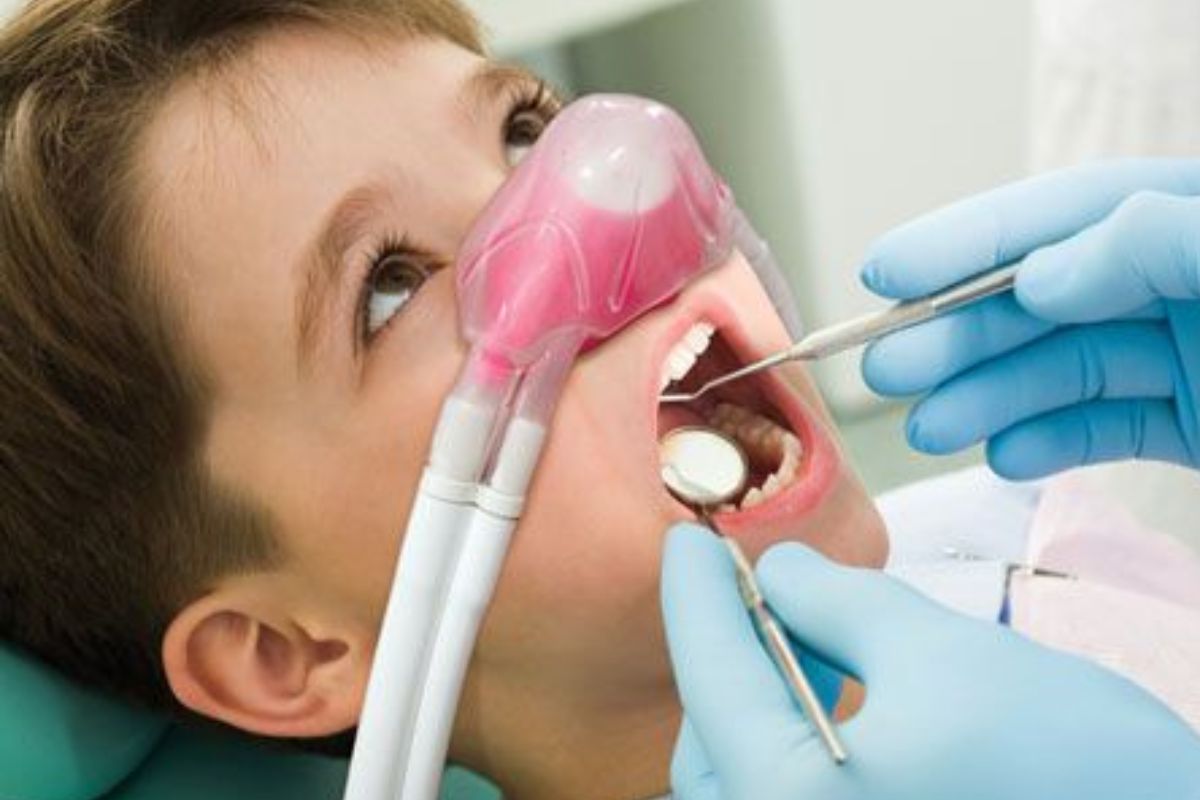
For many, dental visits come with feelings of stress and anxiety. Fear of pain, discomfort, or even just the unfamiliar dental environment can deter patients from seeking the care they need. Fortunately, sedation dentistry offers a solution that allows patients to receive necessary dental treatments with comfort and ease. If you’re looking for a way to reduce dental anxiety, a dentist can help make your visits more relaxing and stress-free through the use of sedation techniques. Here’s how sedation dentistry can help you feel at ease during your next dental appointment.
Understanding Dental Anxiety
Dental anxiety is a common experience affecting people of all ages. Factors contributing to dental anxiety include:
- Fear of pain or discomfort during treatment
- Negative past experiences at the dentist
- Sensitivity to sounds or sensations associated with dental procedures
- Feeling a loss of control or vulnerability in the dental chair
For individuals with high levels of anxiety, even routine cleanings can be daunting. When anxiety prevents patients from seeking regular dental care, it can lead to worsening oral health issues, from tooth decay to gum disease. This is where sedation dentistry comes in, providing a pathway for patients to receive necessary care comfortably and without stress.
What Is Sedation Dentistry?
Sedation dentistry uses medication to help patients feel more relaxed during dental treatments. Unlike general anesthesia, sedation dentistry does not make you fully unconscious but instead helps you remain calm, at ease, and in some cases, even unaware of the procedures being performed. A dentist who specializes in sedation can customize the level of sedation based on your anxiety level and the complexity of your treatment.
There are several types of sedation used in dentistry, each with unique benefits:
- Nitrous Oxide (Laughing Gas): Delivered through a mask, this mild form of sedation helps you feel relaxed and may create a sense of euphoria. It wears off quickly, allowing you to drive yourself home after the appointment.
- Oral Sedation: This form of sedation is administered through a pill, usually taken an hour before the procedure. It offers a moderate level of sedation, helping you feel drowsy but still awake and responsive.
- IV Sedation: This type of sedation is administered through an IV, allowing for a deeper level of relaxation. It’s suitable for more complex procedures or patients with high levels of dental anxiety. With IV sedation, you may feel like you are “sleeping” through the procedure, even though you remain semi-conscious.
- General Anesthesia: Though less common in general dentistry, some procedures may call for full anesthesia, which renders you fully unconscious. This is typically reserved for oral surgery or other intensive treatments.
Benefits of Sedation Dentistry for Anxiety Relief
Sedation dentistry provides many benefits, particularly for patients with dental anxiety. By offering a calm, relaxed experience, sedation can make even the most apprehensive patients comfortable in the dental chair. Here’s how:
Reduced Anxiety and Fear
The primary goal of sedation is to ease anxiety. For patients with dental phobia or intense fear, sedation provides a sense of calm that makes it easier to proceed with treatments.
Enhanced Comfort During Procedures
Sedation can also reduce physical discomfort. Patients often experience fewer sensations of pressure, sound, and touch, making the entire experience more comfortable.
Faster Treatment
When patients are calm, procedures tend to go more smoothly, allowing your dentist to work more efficiently. Sedation enables the dentist to complete multiple treatments in a single visit, reducing the need for repeat appointments.
Amnesia Effect
For some patients, one of the most appealing aspects of sedation dentistry is the “amnesia” effect. With certain types of sedation, patients have little or no recollection of the procedure, making future dental visits feel less intimidating.
Increased Willingness to Seek Care
Patients who know sedation options are available are more likely to pursue regular dental check-ups. With sedation dentistry, patients can keep up with routine cleanings and necessary treatments, supporting better long-term oral health.
Is Sedation Dentistry Right for You?
If you experience any of the following, sedation dentistry may be an ideal solution for you:
- You have moderate to severe dental anxiety or phobia.
- You have sensitive teeth or a strong gag reflex.
- You require multiple procedures in a single visit.
- You experience restlessness or find it difficult to sit still for long periods.
- You have complex dental needs that require more extensive treatment.
A consultation with a Beaumont Dentist can help determine if sedation dentistry is right for you. Your dentist will discuss your medical history, treatment needs, and level of dental anxiety to choose the most appropriate sedation method for your situation.
Preparing for a Sedation Dental Visit
To ensure a safe and effective experience with sedation dentistry, your dentist will provide you with instructions to follow before and after the procedure. Here’s what to expect:
- Prior to Your Appointment: Avoid eating or drinking for a few hours, depending on the type of sedation you’ll receive. For oral or IV sedation, arrange for someone to drive you home.
- During the Procedure: Your dentist will administer the sedation and monitor you closely throughout your treatment to ensure you remain comfortable and safe.
- Aftercare: Following the procedure, follow any post-treatment care instructions from your dentist. For deeper levels of sedation, allow time to rest and fully recover before resuming normal activities.
Choosing a Dentist Who Offers Sedation Options
Choosing a dentist who offers sedation can significantly improve your dental care experience, especially if anxiety or discomfort has kept you from regular visits in the past. Sedation dentistry not only enhances comfort but also makes it possible for you to receive the necessary care to maintain optimal oral health.
Conclusion
Sedation dentistry has transformed the way anxious patients experience dental care. With the calming effects of sedation, you can feel confident and relaxed as you receive the treatments you need to maintain a healthy smile. If you’re looking for compassionate, anxiety-free dental care, consult a dentist who specializes in sedation dentistry. Taking this first step toward a comfortable dental experience can help you build confidence and ensure that your oral health stays on track for years to come.