Most major dental procedures are not caused by bad luck. They often develop from small problems that go unnoticed or untreated. Consistent brushing, flossing, professional cleanings, regular dental exams, and healthy daily choices can significantly reduce the risk of cavities, gum disease, tooth infections, and dental emergencies that may require more extensive treatment later.
At Gulfside Dental & Orthodontics – Galveston, preventive dentistry is a cornerstone of patient care. Through routine exams, professional cleanings, digital diagnostics, and personalized recommendations, the team helps patients identify concerns early before they become larger problems. Our trusted dentist, Dr. Brett Bingham, and the team believe informed patients make better decisions for their oral health.
If you have questions about protecting your smile, schedule a comprehensive evaluation and receive recommendations personalized to your needs.
Why Do Small Daily Habits Make Such a Big Difference?
Small daily habits control plaque buildup, support healthy gums, and help prevent the conditions that often lead to major dental procedures. Consistency is often more important than perfection.
Most dental problems progress gradually. A cavity can remain painless while extending deeper into a tooth. Gum inflammation may not cause noticeable symptoms until the supporting tissues begin to weaken. Daily preventive habits interrupt these processes before permanent damage occurs.
Many people assume serious dental problems appear suddenly. In reality, most begin months or even years earlier. The habits you practice today influence the condition of your teeth and gums tomorrow.
Daily Habits You Should Practice for Healthy Oral Conditions
Habit #1: Brush Properly Twice Every Day
Brushing twice daily removes plaque before it damages enamel or irritates gum tissue. Proper technique matters just as much as frequency.
Brushing should clean every tooth surface rather than simply freshen breath. Many people spend less than a minute brushing and miss areas where plaque commonly accumulates.
For better results:
- Brush for at least two minutes
- Use a soft-bristle toothbrush
- Clean along the gumline
- Brush your tongue
- Replace your toothbrush every three to four months
- Consider an electric toothbrush if recommended by your dental provider
Plaque begins forming within hours after brushing. Removing it regularly helps reduce the risk of decay and gum disease.
Habit #2: Floss Every Day, Even If Your Teeth Feel Fine
Flossing removes plaque and food particles from areas that toothbrush bristles cannot reach. Many cavities and gum problems begin between teeth.
Skipping flossing leaves bacteria in spaces where plaque can accumulate undisturbed. Over time, this buildup can contribute to decay and gum inflammation.
This habit becomes especially important after enjoying local favorites such as shrimp po’boys, seafood platters, kettle corn along the Seawall, or sticky desserts that can remain trapped between teeth long after meals.
If traditional floss is difficult to use, alternatives include:
- Water flossers
- Interdental brushes
- Floss picks
The best tool is the one you will use consistently.
Why Brushing is not Enough to Eliminate All Plaque and Debris
Once plaque hardens into tartar, brushing and flossing alone cannot remove it. Professional dental cleanings are necessary to eliminate these deposits safely.
Plaque begins as a soft bacterial film. If not removed regularly, minerals in saliva cause it to harden into tartar. These deposits create rough surfaces where harmful bacteria can continue accumulating.
Professional cleanings help:
- Remove tartar buildup
- Reduce gum inflammation
- Lower cavity risk
- Improve overall oral health
- Identify concerns before they worsen
Even patients with excellent home care benefit from routine professional cleanings because some areas are difficult to clean completely.
Habit #3: Reduce Frequent Sugar Exposure
The frequency of sugar consumption often affects cavity risk more than the amount consumed at one time. Repeated exposure gives bacteria more opportunities to produce harmful acids.
Every time sugar enters the mouth, bacteria convert it into acids that weaken enamel. Frequent snacking creates repeated acid attacks throughout the day.
Consider the difference:
| Higher-Risk Habit | Better Alternative |
| Sipping sweet drinks all afternoon | Drinking water between meals |
| Frequent candy snacking | Limiting sweets to mealtimes |
| Sports drinks after light activity | Choosing water when possible |
| Sticky snacks throughout the day | Healthier snacks such as nuts or cheese |
Reducing the number of daily sugar exposures allows enamel more time to recover naturally.
Habit #4: Drink More Water Throughout the Day
Water helps wash away food debris, dilute acids, and support saliva production. Saliva is one of the body’s most effective natural defenses against cavities.
Residents who spend time boating, fishing, walking along the waterfront, or enjoying outdoor festivals often experience periods of dehydration without realizing it.
When saliva production decreases:
- Harmful bacteria multiply more easily
- Acid remains on teeth longer
- Dry mouth develops
- Cavity risk increases
Choosing water throughout the day supports both oral health and overall wellness.
Why Routine Dental Exams Matter
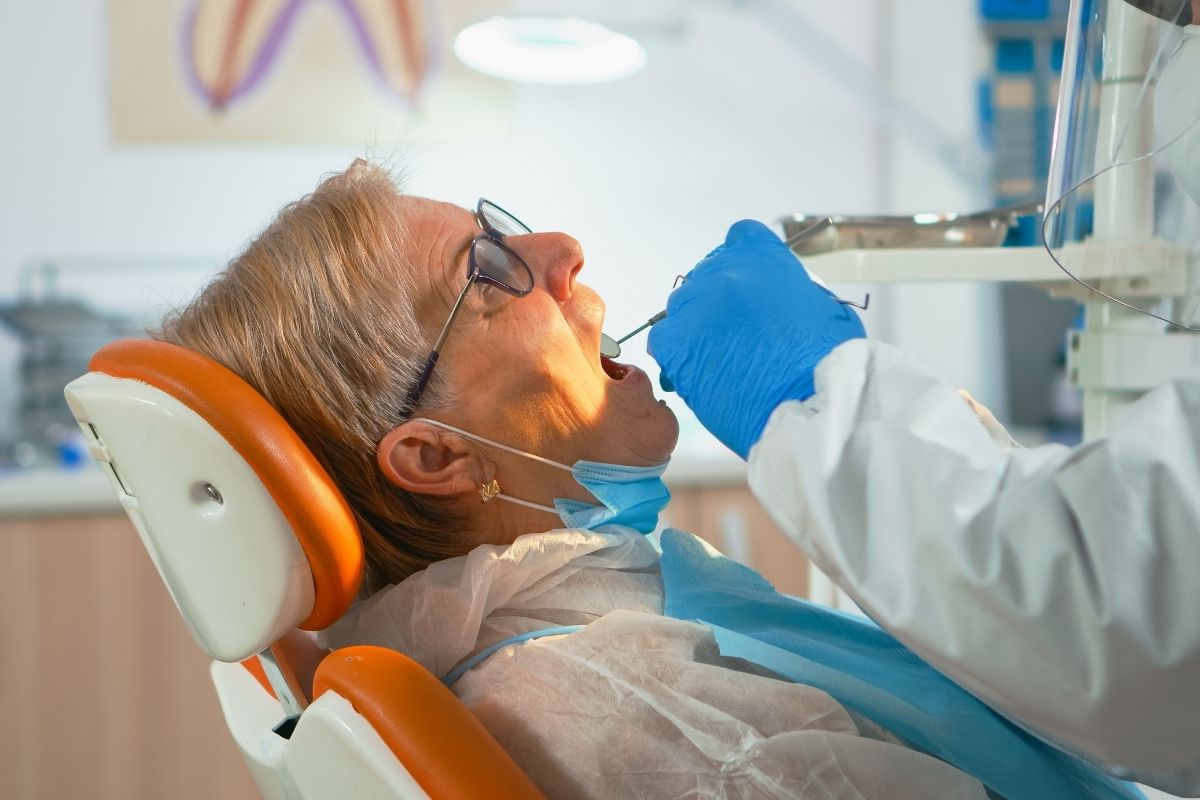
Many dental conditions develop without pain. Routine examinations help identify problems before symptoms become noticeable.
Patients are often surprised to learn they have a cavity, cracked tooth, or gum disease despite feeling perfectly fine.
Regular dental evaluations allow providers to monitor:
- Tooth decay
- Gum health
- Existing fillings and restorations
- Bite alignment
- Signs of tooth wear
- Changes in oral tissues
Early detection typically allows treatment before conditions become more extensive.
A Galveston dentist can often identify subtle changes long before patients notice symptoms themselves.
Habit #5: Protect Your Teeth During Sports and Recreation
Mouthguards help reduce the risk of broken, chipped, or knocked-out teeth. Prevention is easier than treating a dental injury.
Whether participating in organized sports, cycling, skateboarding, or recreational activities, accidental impacts can happen unexpectedly.
A properly fitted mouthguard can help protect against:
- Chipped teeth
- Fractured teeth
- Soft tissue injuries
- Dental emergencies
Protective equipment is particularly valuable for children, teenagers, and active adults.
Habit #6: Address Teeth Grinding Early
Teeth grinding places excessive pressure on teeth and jaw joints. Early intervention helps prevent avoidable damage.
Many individuals grind their teeth during sleep without realizing it.
Common warning signs include:
- Morning headaches
- Jaw soreness
- Flattened teeth
- Increased sensitivity
- Small enamel fractures
Long-term grinding can weaken enamel, increase tooth sensitivity, create microscopic fractures, and place excessive stress on teeth. Early evaluation helps preserve natural tooth structure and prevent future complications.
Habit #7: Do Not Ignore Early Warning Signs
Small symptoms often signal developing problems. Prompt evaluation can prevent minor concerns from becoming larger dental issues.
Watch for signs such as:
- Bleeding gums
- Persistent bad breath
- Tooth sensitivity
- Pain when chewing
- Loose teeth
- Swelling
- Cracked or chipped teeth
A Galveston dentist can determine whether these symptoms indicate a minor issue or a developing condition requiring treatment.
Waiting for symptoms to worsen often makes treatment more complicated than necessary.
Local Lifestyle Habits That Can Affect Your Oral Health
Everyday lifestyle choices can influence cavity risk, enamel wear, and gum health. Understanding local habits helps patients make smarter preventive decisions.
Many residents enjoy outdoor activities throughout the year. Long fishing trips, beach outings, festivals, and waterfront events often involve frequent snacking, sweet beverages, and acidic drinks.
Other common contributors include:
- Constant sipping of sweet tea or soda
- Frequent sports drink consumption
- Chewing ice on hot days
- Skipping water during outdoor activities
- Late-night snacking after community events
These habits may seem harmless individually, but repeated exposure can gradually affect oral health.
Small Habits Today Can Protect Your Smile Tomorrow
The healthiest smiles are rarely the result of a single treatment. They are built through daily preventive habits and regular professional care. Consistent brushing, flossing, hydration, healthy dietary choices, routine cleanings, and periodic examinations help reduce the risk of cavities, gum disease, tooth fractures, and dental emergencies before they require more extensive intervention.
At Gulfside Dental & Orthodontics – Galveston, our team focuses on helping patients stay ahead of dental problems through preventive care, routine dental evaluations, and personalized recommendations. Schedule a comprehensive evaluation today to better understand your oral health and create a plan designed to protect your smile for years to come.
Frequently Asked Questions
Can gum disease develop even if I brush every day?
Yes. Brushing removes plaque from visible surfaces, but bacteria can remain between teeth and along the gumline. Daily flossing and professional cleanings help reduce this risk.
Are electric toothbrushes better than manual toothbrushes?
Both can clean teeth effectively when used properly. Electric toothbrushes often help patients maintain a more consistent brushing technique and remove plaque more efficiently.
What daily habit causes the most preventable dental damage?
Frequent consumption of sugary drinks and snacks is a major contributor. Repeated sugar exposure allows bacteria to produce acids that weaken enamel throughout the day.
How often should professional dental cleanings be scheduled?
Most patients benefit from routine cleanings at regular intervals recommended by their dental provider. Individual needs vary based on oral health history and risk factors.
Can dehydration affect oral health?
Yes. Reduced saliva production allows bacteria and acids to remain on teeth longer. Staying hydrated helps support the mouth’s natural protective mechanisms.
Why do cavities sometimes develop without pain?
Early decay often affects enamel before reaching deeper tooth structures. Symptoms may not appear until the cavity becomes larger and more advanced.
What should I do if my gums bleed while brushing?
Occasional bleeding may indicate gum inflammation. Scheduling an evaluation helps identify the cause and determine the appropriate steps to improve gum health.