
A small chip, discoloration, or uneven edge can make you think twice before showing your teeth in photos or during everyday conversations. The good news is that fixing these minor imperfections does not always require a lengthy or complicated dental procedure.
If you have been considering dental bonding but are worried about discomfort, you are not alone. Many patients wonder whether the treatment will hurt, whether they will need anesthesia, and what their teeth will feel like afterward. In most cases, dental bonding is a gentle, conservative treatment designed to improve the appearance or function of a tooth without extensive enamel removal.
For patients considering dental bonding beaumont tx, knowing what happens before, during, and after treatment can make the experience feel much more comfortable and predictable.
What Is Dental Bonding?
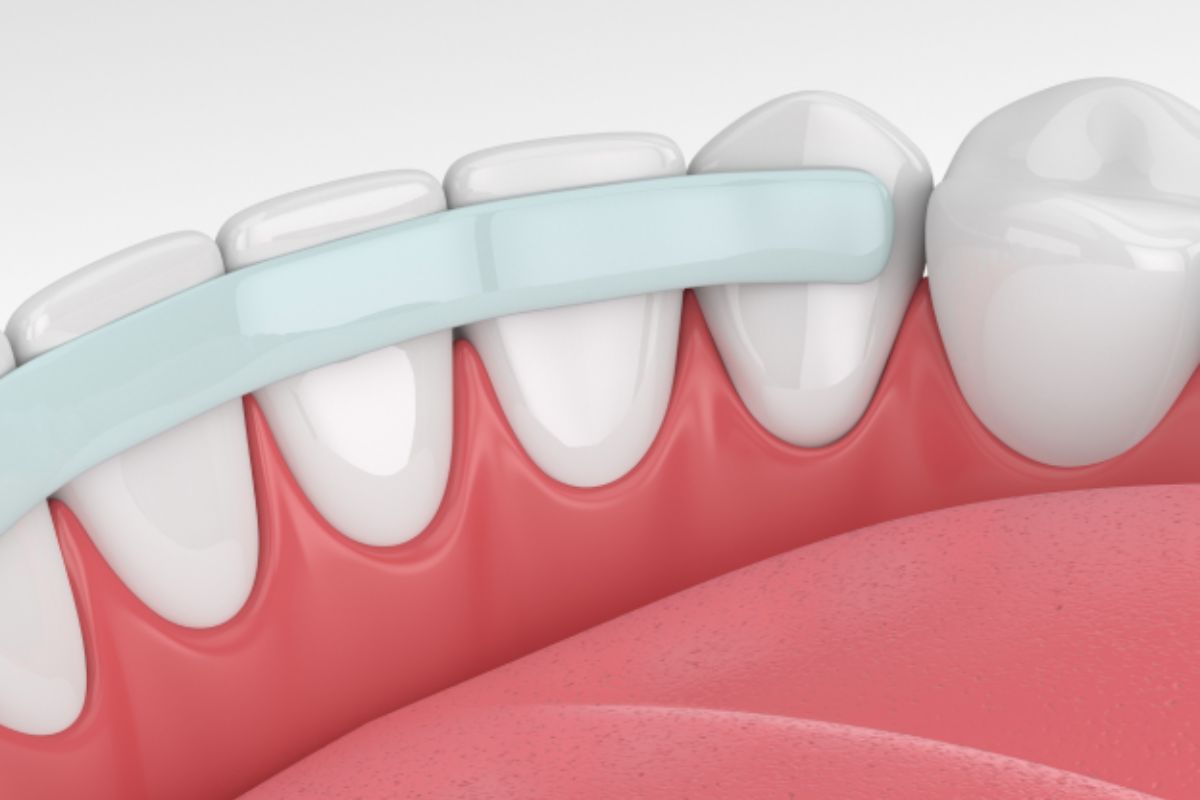
Dental bonding uses a tooth-colored composite material that is carefully applied to a tooth and shaped to improve its appearance. It can be used to address minor chips, discoloration, small gaps, uneven edges, and certain cosmetic imperfections.
The treatment is considered conservative because it typically requires little or no removal of healthy tooth structure. Gulfside Dental & Orthodontics describes bonding as a way to address slightly chipped, discolored, or crooked teeth, and notes that treatment can often be completed during a single office visit.
Is Dental Bonding Painful?
For most patients, dental bonding is not painful.
Because bonding is usually performed on the surface of the tooth and does not involve extensive drilling, many people experience little more than mild pressure or the sensation of the dentist working on the tooth. Whether local anesthesia is needed depends on the tooth being treated and whether any decay or other dental work must be addressed first.
If you have sensitive teeth or feel nervous about dental treatment, tell your dentist before the procedure. Your comfort matters, and your dental team can explain what you are likely to feel throughout the visit.
What to Expect Before Treatment
Your appointment begins with an evaluation rather than immediately placing bonding material on the tooth. A dentist will look at the tooth, assess your oral health, and determine whether bonding is appropriate for your needs.
Before treatment, your dentist may:
- Examine the tooth and surrounding gums
- Check for decay or other underlying dental concerns
- Discuss your desired result
- Select a composite shade that blends with your natural teeth
- Explain whether anesthesia is necessary
- Discuss how bonding compares with alternatives such as veneers or crowns
This evaluation is especially important because bonding is not the right solution for every dental concern. A qualified dentist beaumont patients trust can help determine whether a conservative treatment is suitable for your tooth.
What Happens During Dental Bonding?
Once your dentist has determined that bonding is appropriate, the procedure is generally straightforward.
The tooth is prepared so the composite material can adhere properly. Your dentist then applies the tooth-colored resin, carefully shapes it to fit the tooth, and uses a special curing light to harden the material.
The final step involves trimming and polishing the bonded area so it feels natural and fits comfortably with your bite.
One reason patients choose bonding is convenience. Depending on the tooth and the extent of treatment, the procedure may be completed in one visit.
Will You Feel Anything During the Procedure?
You may notice:
- Gentle pressure
- Vibration if instruments are used
- Cool air or water
- Your dentist shaping and polishing the tooth
- Temporary sensitivity in some cases
Sharp or significant pain is not something you should simply tolerate. If something feels uncomfortable during treatment, let your dental team know right away.
What to Expect After Dental Bonding
One of the biggest advantages of bonding is that recovery is usually simple. You can generally return to your normal routine soon after treatment.
Your tooth may feel slightly different at first because the shape or surface has changed. It can take a little time for your tongue to get used to the new contour.
For the best long-term results:
- Brush and floss regularly
- Continue routine dental visits
- Avoid biting directly into very hard objects
- Be mindful of habits such as chewing pens or ice
- Limit foods and drinks that can stain composite material
- Contact your dentist if the bonding chips, cracks, or feels uneven
Gulfside Dental & Orthodontics notes that bonding can stain more easily and may be more susceptible to breaking than some cosmetic alternatives, although damaged bonding can often be repaired or patched.
Is Dental Bonding Right for You?
Bonding can be an appealing option when you want to address a relatively small cosmetic or restorative concern without committing to a more extensive treatment.
It may be worth discussing with a dentist in beaumont texas if you have:
- A slightly chipped tooth
- Minor discoloration
- A small space between teeth
- An uneven tooth edge
- A tooth that looks slightly different from neighboring teeth
- Certain small areas of tooth damage
Your dentist can examine your teeth and explain whether bonding, veneers, a filling, or another treatment would provide the most appropriate result.
A Comfortable Approach to Cosmetic Dental Care
Dental treatment can feel intimidating when you do not know what to expect. Understanding the process can take away much of that uncertainty.
For Beaumont-area patients, Gulfside Dental & Orthodontics provides general, restorative, and cosmetic dental services in a comfortable, family-focused environment. The Beaumont office is located on Dowlen Road and serves patients from Beaumont and surrounding communities, including Lumberton, Kountze, and Vidor.
Whether you have been putting off a chipped tooth or simply want to explore your options, talking with your dental team is a practical first step.
Frequently Asked Questions
Does dental bonding require anesthesia?
Not always. Because bonding is generally minimally invasive, many treatments can be performed without anesthesia. Your dentist will determine whether it is appropriate for your specific situation.
How long does dental bonding take?
Treatment time varies depending on how many teeth are being treated and the complexity of the case. Many bonding procedures can be completed during a single dental visit.
Can I eat normally after bonding?
Your dentist will give you personalized instructions. In general, it is wise to be cautious with very hard or sticky foods and avoid habits that could place unnecessary pressure on the bonded tooth.
Does dental bonding feel natural?
It should. After the composite material is shaped and polished, it is designed to fit comfortably with the surrounding teeth and your bite.
Can bonded teeth be repaired if they chip?
Often, yes. Bonding can frequently be repaired or patched if it becomes chipped or damaged. Your dentist should evaluate the tooth to determine the appropriate solution.
Ready to Find Out If Bonding Is Right for You?
You do not have to live with a small dental imperfection simply because you are worried about discomfort. Dental bonding is often a conservative, convenient option, and a professional evaluation can help you understand exactly what to expect.
Schedule an appointment with Gulfside Dental & Orthodontics to discuss your dental bonding options and take the next step toward a healthier, more confident smile.