If you’re missing one or more teeth, you may be considering dental implants as a permanent solution. Dental implants are a popular choice for restoring both the function and appearance of missing teeth, offering a natural look and feel that closely mimics real teeth. However, not everyone is an ideal candidate for dental implants. Determining whether dental implants are right for you depends on several factors, including your oral health, overall health, and lifestyle habits. This guide will help you understand who makes a good candidate for dental implants and what considerations might impact your suitability for the procedure.
What Are Dental Implants?
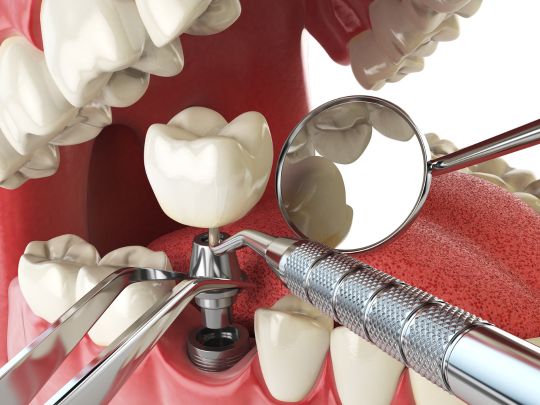
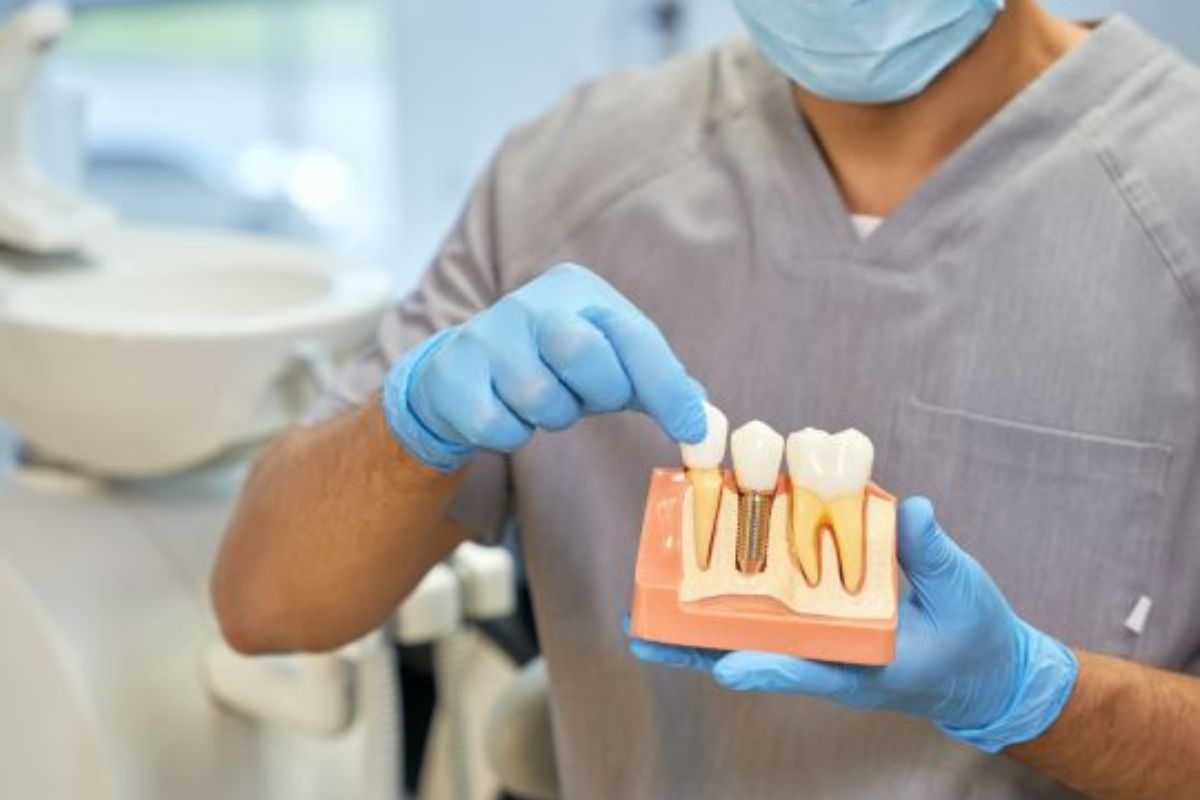
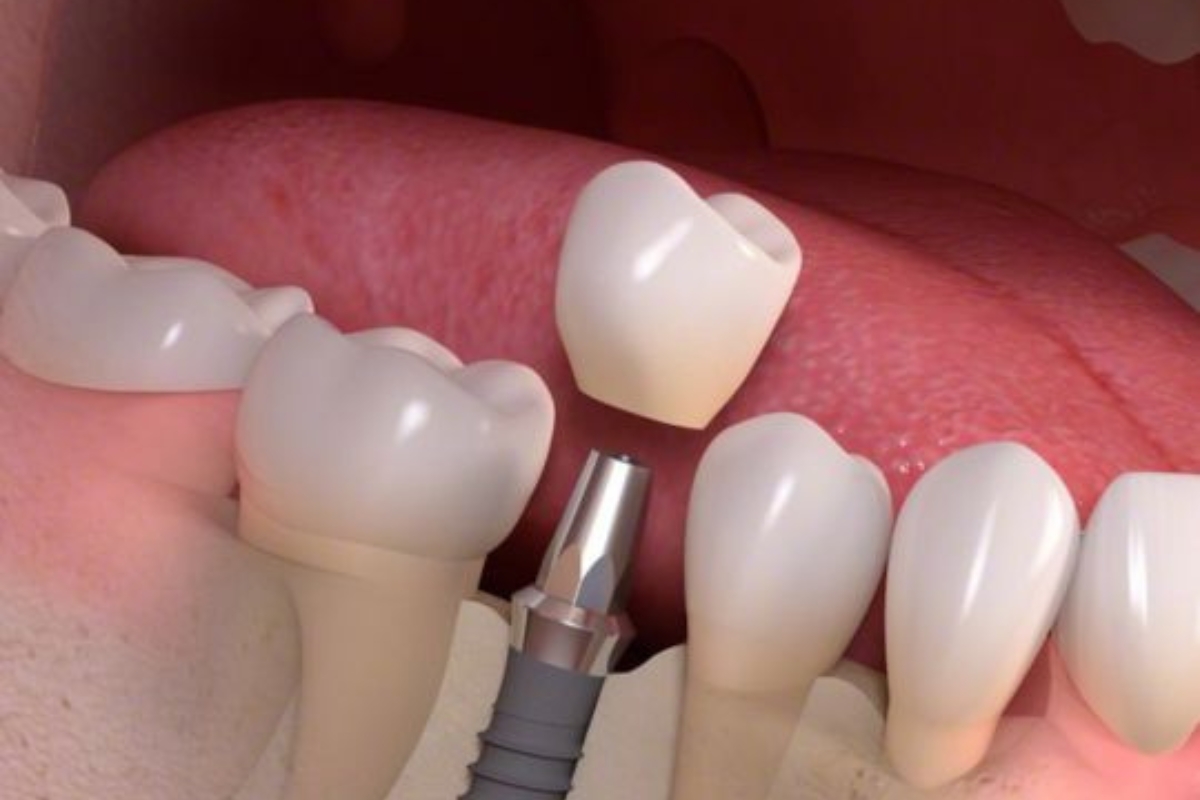
Before diving into candidacy, it’s essential to understand what dental implants are. A dental implant consists of a titanium post that is surgically placed into the jawbone to act as a replacement for the root of a missing tooth. Once the implant has fused with the bone (a process called osseointegration), a dental crown is attached to the post to restore the appearance of the missing tooth.
Dental implants are widely regarded as one of the most durable and natural-looking tooth replacement options available today. However because the procedure involves surgery and a recovery period, being a suitable candidate is critical to ensuring the success of the implant.
Are You a Good Candidate for Dental Implants?
Several factors determine whether you’re a good candidate for dental implants. Below are the most important considerations:
Good Oral Health
Healthy gums and a strong jawbone are crucial for the success of dental implants. Gum disease or untreated cavities can compromise the placement of the implants and increase the risk of infection. Candidates for dental implants should ideally have good oral hygiene practices and be free from active oral infections, such as periodontal disease. If you have gum disease, your dentist will likely recommend treating it before proceeding with implants.
Additionally, your dentist will evaluate your jawbone to ensure it’s strong enough to support the implant. If significant bone loss has occurred due to prolonged tooth loss or gum disease, a bone grafting procedure may be necessary to rebuild the bone structure before implants can be placed.
Adequate Bone Density
Bone density plays a critical role in determining whether dental implants are right for you. Since the implant needs to fuse with the jawbone, sufficient bone mass is necessary to anchor the implant securely. In cases where bone loss has occurred, such as after prolonged tooth loss or due to conditions like osteoporosis, additional procedures like bone grafting might be required. Bone grafts can help regenerate lost bone, providing a solid foundation for the implant.
Your dentist will use imaging techniques like X-rays or 3D scans to assess the condition of your jawbone. If you don’t have enough bone density and are not a candidate for bone grafting, alternative treatments like mini implants or implant-supported dentures may be recommended.
Overall Health
Your overall health is just as important as your oral health when considering dental implants. Because dental implants involve surgery, certain medical conditions may affect your ability to heal properly. For example, patients with uncontrolled diabetes, heart disease, or immune system disorders may have a higher risk of complications during or after the implant procedure.
If you have any chronic health conditions, it’s essential to discuss them with your dentist or oral surgeon before proceeding with dental implants. In many cases, your doctor may recommend controlling or treating the condition before surgery to reduce the risk of complications.
Smoking can also impact your candidacy for dental implants. Smoking has been shown to interfere with the healing process and increase the likelihood of implant failure. If you’re a smoker, your dentist may advise quitting smoking in the months leading up to and following your implant surgery to improve your chances of success.
Commitment to Good Oral Hygiene
Dental implants require the same care and maintenance as natural teeth. You’ll need to commit to regular brushing, flossing, and dental check-ups to keep your implants healthy and functional. Failure to maintain good oral hygiene can lead to complications such as peri-implantitis (an infection similar to gum disease that affects the implant).
Patients who are diligent about their oral hygiene and attend regular dental visits are more likely to experience long-term success with dental implants. If maintaining good oral hygiene has been challenging in the past, it’s essential to discuss this with your dentist, as they may provide additional guidance or support to ensure your implants last.
Age Considerations
Age can also be a factor in determining whether dental implants are right for you. Dental implants are not recommended for children or teenagers whose jaws are still developing, as implant placement requires a fully matured bone structure. Most dentists suggest waiting until jaw growth is complete, which typically occurs in the late teens or early twenties.
On the other hand, there is no upper age limit for dental implants. Seniors are often excellent candidates, provided they have good oral and overall health. Dental implants can significantly improve the quality of life for older adults by restoring their ability to chew and speak comfortably, enhancing their confidence, and helping maintain jawbone structure.
Who May Not Be a Good Candidate for Dental Implants?
While dental implants Bridge City are suitable for many patients, there are some cases where they may not be the best option. You may not be a good candidate for dental implants if:
- You have severe bone loss that cannot be corrected with grafting.
- You have active, uncontrolled gum disease or other oral infections.
- You have certain medical conditions, such as uncontrolled diabetes or an autoimmune disorder, that could interfere with healing.
- You smoke heavily and are unwilling or unable to quit, even temporarily.
- You are under the age of 18 and still experiencing jaw growth.
In such cases, your dentist may suggest alternative tooth replacement options, such as bridges or dentures, or recommend additional procedures like bone grafting or sinus lifts to prepare you for dental implants in the future.
Conclusion
Dental implants offer a long-lasting, durable solution to missing teeth, but they aren’t right for everyone. The best candidates for dental implants are those with good oral and overall health, sufficient bone density, and a commitment to maintaining proper oral hygiene. If you think dental implants might be right for you, it’s essential to schedule a consultation with your dentist to discuss your individual needs and circumstances.
Your dentist can evaluate your oral health, take necessary imaging to assess bone density, and review your medical history to determine if dental implants are a viable option. With the right preparation and care, dental implants can provide a natural, long-lasting replacement for missing teeth, restoring both your smile and your confidence.