Brushing your teeth is something most people do every day without giving it much thought. But what if your daily routine is not cleaning your teeth as well as you think? Many people brush regularly yet still deal with cavities, gum problems, bad breath, and plaque buildup.
The truth is that brushing is about more than simply moving a toothbrush around your mouth. The way you brush, the amount of pressure you use, and even how long you spend brushing can all impact your oral health. Learning the proper technique can help protect your smile and prevent avoidable dental problems.
If you have questions about your oral hygiene routine, a trusted dentist in Beaumont TX can help you develop healthy habits that support long-term dental health.
Why Proper Brushing Matters
Your mouth naturally collects bacteria throughout the day. These bacteria combine with food particles and saliva to form plaque. If plaque is not removed effectively, it can lead to:
- Tooth decay
- Gum disease
- Persistent bad breath
- Tooth sensitivity
- Stained teeth
Proper brushing removes plaque before it causes damage. It also helps keep your gums healthy and your smile looking its best.
Common Brushing Mistakes People Make
Many patients are surprised to learn that they have been brushing incorrectly for years. Some of the most common mistakes include:
Brushing Too Hard
Scrubbing aggressively does not make your teeth cleaner. In fact, excessive force can wear down enamel and irritate your gums.
Rushing Through the Process
A quick brush may leave behind plaque and food debris. Taking enough time allows you to clean all tooth surfaces properly.
Using the Wrong Toothbrush
A soft-bristled toothbrush is typically recommended because it cleans effectively without damaging your teeth or gums.
Forgetting Certain Areas
Many people miss the back teeth, gumline, and inner surfaces of their teeth. These areas often collect the most plaque.
Not Replacing the Toothbrush
Worn bristles are less effective at cleaning. Replacing your toothbrush regularly helps maintain proper oral hygiene.
The Right Way to Brush Your Teeth
Following a proper brushing technique can make a significant difference in your oral health.
Position the Brush Correctly
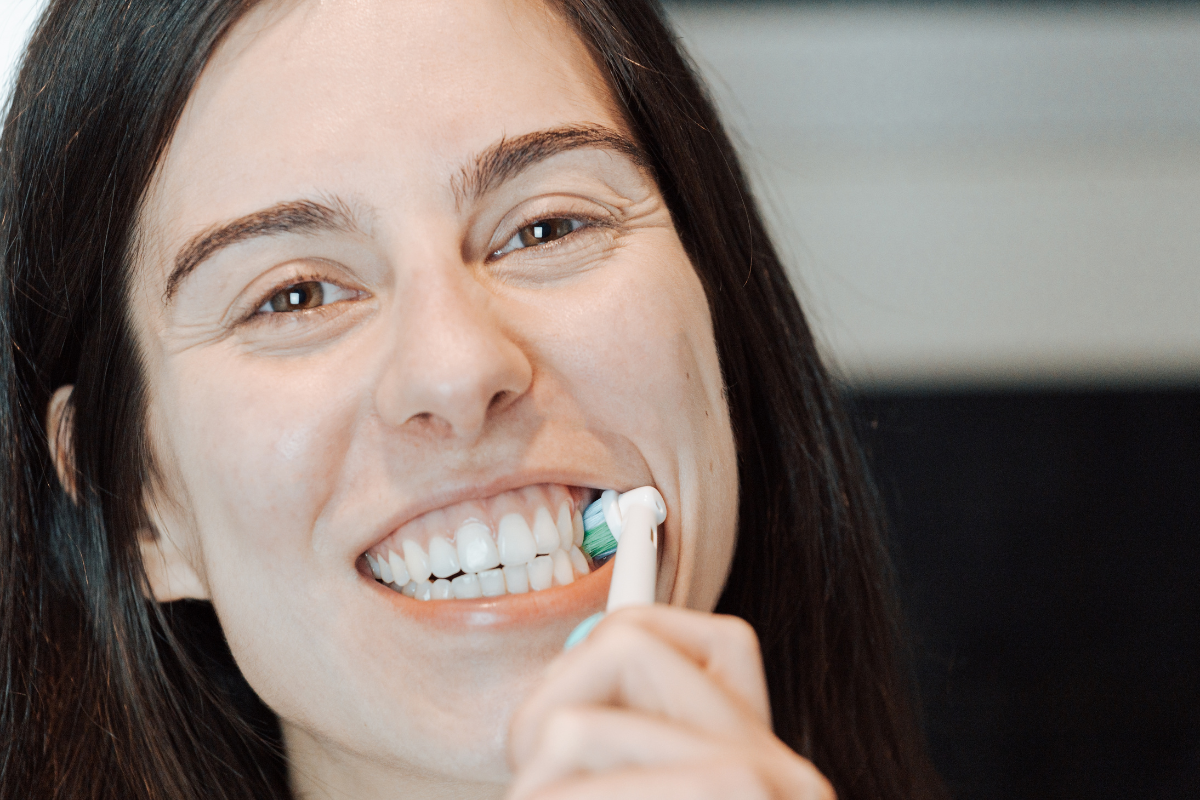
Hold your toothbrush at a slight angle toward the gumline. This position helps remove plaque that tends to collect where the teeth and gums meet.
Use Gentle Circular Motions
Instead of scrubbing back and forth, use small circular motions. Gentle movements clean effectively while protecting your enamel and gums.
Clean Every Surface
Make sure to brush:
- Outer tooth surfaces
- Inner tooth surfaces
- Chewing surfaces
- Back teeth
- Along the gumline
Pay equal attention to all areas of your mouth.
Brush Your Tongue
Your tongue can harbor bacteria that contribute to bad breath. Gently brushing your tongue helps keep your mouth fresher and cleaner.
Finish With a Rinse
After brushing, rinse thoroughly and consider using an antimicrobial mouthwash if recommended by your dental professional.
How Long Should You Brush?
Many people stop brushing too soon. The ideal brushing routine should allow enough time to thoroughly clean every section of your mouth.
One helpful strategy is to divide your mouth into sections and spend equal attention on each area. This approach helps ensure that no part of your smile is neglected.
Don’t Forget to Floss
Brushing alone cannot reach every space between your teeth. Flossing removes food particles and plaque from areas that toothbrush bristles cannot access.
A complete oral hygiene routine should include:
- Brushing consistently
- Daily flossing
- Routine dental cleanings
- Regular dental exams
Patients looking for a reliable dentist near me often discover that preventive care is one of the most effective ways to maintain a healthy smile for years to come.
Oral Health Challenges in Beaumont
Residents throughout Beaumont face unique factors that can affect oral health. Busy schedules, frequent snacking, sweet beverages, and lifestyle habits can increase the risk of plaque buildup and tooth decay.
The warm Southeast Texas climate can also contribute to dehydration, which may reduce saliva production. Since saliva plays an important role in protecting teeth, staying hydrated is an important part of maintaining oral health.
Regular preventive visits help local families identify potential concerns before they become larger problems.
Signs You May Need to Improve Your Brushing Technique
If you notice any of the following symptoms, your brushing habits may need adjustment:
- Bleeding gums
- Persistent bad breath
- Frequent cavities
- Plaque buildup near the gumline
- Tooth sensitivity
- Receding gums
A professional evaluation can help determine whether your brushing technique is supporting your oral health goals.
Professional Cleanings Still Matter
Even excellent brushing habits cannot remove hardened tartar once it forms. Professional cleanings help eliminate buildup that cannot be removed at home.
Routine dental visits also allow your provider to:
- Monitor gum health
- Detect cavities early
- Screen for oral health concerns
- Provide personalized oral hygiene recommendations
Working with an experienced dentist Beaumont TX can help you maintain a healthier smile through every stage of life.
A Healthier Smile Starts With Better Habits
Small improvements in your brushing technique can have a lasting impact on your oral health. By using the right approach every day, you can reduce plaque buildup, protect your gums, and keep your smile healthier for years to come.
If you would like personalized guidance on improving your oral hygiene routine, the team at Gulfside Dental & Orthodontics is here to help. Schedule an appointment today and take the next step toward a cleaner, healthier, and more confident smile.
Frequently Asked Questions
How often should I brush my teeth?
Most dental professionals recommend brushing consistently every day as part of a complete oral hygiene routine.
Is a hard-bristled toothbrush better?
No. Soft-bristled toothbrushes are generally recommended because they clean effectively while being gentle on teeth and gums.
Should I brush before or after breakfast?
Both options can be effective. The most important factor is maintaining a consistent brushing routine.
Why do my gums bleed when I brush?
Bleeding gums may indicate inflammation, gum disease, or improper brushing habits. A dental evaluation can help identify the cause.
Can brushing too hard damage my teeth?
Yes. Excessive pressure can wear away enamel and contribute to gum recession over time.