
In Galveston, residents prioritize dental care to maintain healthy, radiant smiles. Teeth whitening is a popular cosmetic procedure sought by many individuals to enhance the brightness of their teeth and boost their confidence. While various whitening methods are available, including whitening strips, it’s essential to explore their effectiveness. As your trusted cosmetic dentist Galveston, let’s delve into whether teeth whitening strips truly deliver the desired results.
Understanding Teeth Whitening Strips
Teeth whitening strips are thin, flexible strips coated with a bleaching agent, typically hydrogen peroxide or carbamide peroxide. These strips adhere to the surface of the teeth and are left in place for a specified period, allowing the bleaching agent to penetrate the enamel and remove stains. While whitening strips are convenient and accessible, their effectiveness may vary depending on several factors.
Factors Affecting the Effectiveness of Whitening Strips
- Concentration of Whitening Agent: The concentration of the bleaching agent in whitening strips can vary, with some products containing higher concentrations than others. Generally, higher concentrations are more effective at removing stains but may also increase the risk of tooth sensitivity and irritation.
- Duration and Frequency of Use: Consistency is key when using whitening strips. Following the recommended usage instructions and adhering to a regular schedule can optimize results. However, overuse of whitening strips or leaving them on for extended periods can lead to enamel damage and increased sensitivity.
- Type and Severity of Stains: Whitening strips are most effective at removing surface stains caused by factors like coffee, tea, and tobacco use. However, deeper intrinsic stains, such as those caused by medications or genetics, may require professional whitening treatments for optimal results.
- Oral Health and Tooth Sensitivity: Individuals with underlying dental issues, such as cavities, gum disease, or tooth sensitivity, may experience adverse effects from whitening strips. It’s crucial to consult with a dentist in Galveston before using whitening strips to ensure they are safe and appropriate for your oral health needs.
Effectiveness of Teeth Whitening Strips
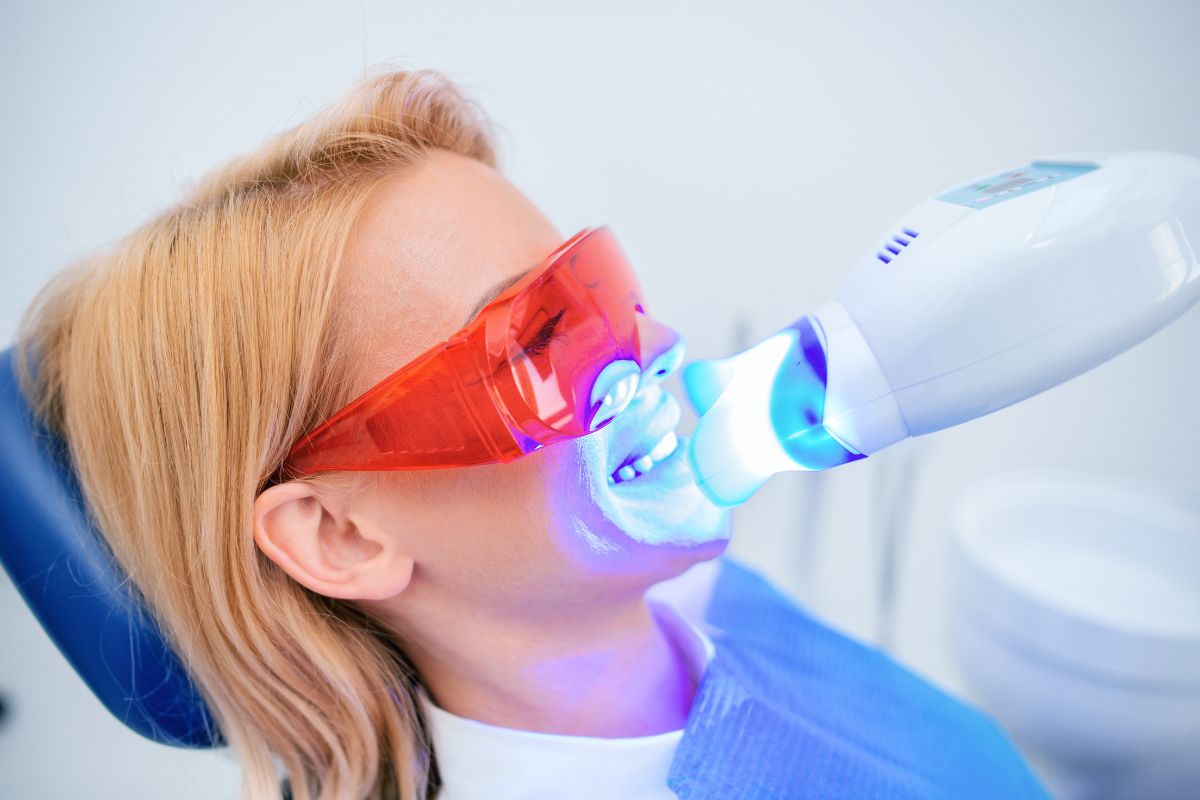
While teeth whitening strips can produce noticeable results for some individuals, their effectiveness may be limited compared to professional whitening treatments performed by a cosmetic dentist in Galveston. Here’s why:
- Limited Coverage: Whitening strips only cover the front surface of the teeth, leaving areas between the teeth and along the gumline untouched. This can result in uneven whitening and less comprehensive results compared to professional treatments that target all areas of the teeth.
- Gradual Results: Whitening strips typically require multiple applications over several weeks to achieve desired results. While this gradual approach may be convenient for some individuals, others may prefer faster and more dramatic results offered by professional whitening treatments.
- Risk of Tooth Sensitivity: Some individuals may experience tooth sensitivity or gum irritation when using whitening strips, especially with higher concentrations of bleaching agents. Professional whitening treatments performed by a dentist in Galveston can be customized to minimize sensitivity and maximize comfort.
Conclusion:
Teeth whitening strips can be a convenient and cost-effective option for individuals seeking to brighten their smiles at home. However, their effectiveness may be limited compared to professional whitening treatments performed by a cosmetic dentist in Galveston. For optimal results and personalized care, it’s recommended to consult with a dentist before embarking on any whitening regimen. With professional guidance and expertise, you can achieve a brighter, more confident smile safely and effectively.