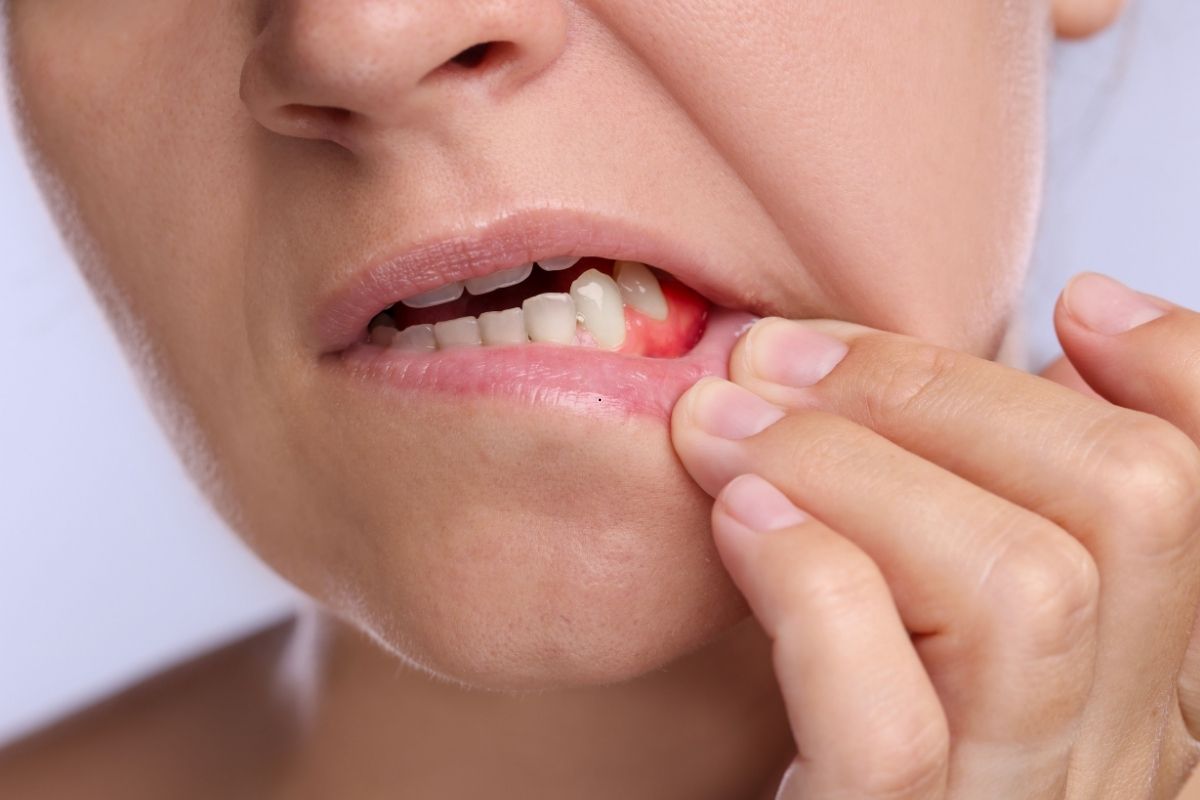

Most people think the common cold only affects the nose, throat and head. But a cold can also impact your teeth and gums in ways you may not expect. When your body fights an infection, your mouth often shows early signs of stress. A Beaumont dentist sees these problems often during cold and flu season. Small changes in your daily routine and oral habits can protect your mouth while you recover.
This guide explains how a cold affects your teeth and gums, why symptoms happen, and how to keep your smile safe while your body heals.
How Congestion Affects Your Teeth
1. Sinus Pressure Makes Upper Teeth Hurt
Your upper back teeth sit close to the sinus cavities. When you get a cold, these spaces fill with fluid. Pressure builds up and pushes on the roots of your teeth. This can cause a dull ache that feels like tooth pain.
Many people worry they have a cavity, but a Beaumont dentist can spot the difference. Sinus-related tooth pain often spreads across several teeth rather than staying in one small spot.
2. Mouth Breathing Leads to Dry Mouth
A stuffy nose makes it hard to breathe normally. Many people end up breathing through their mouth. This dries out the tongue, gums and lips. Saliva drops, which allows bacteria to grow faster.
Dry mouth can cause:
- Bad breath
- Sticky feeling on teeth
- Increased risk of decay
- Irritated gums
Saliva is your mouth’s natural cleaner. Without it, your teeth become more vulnerable.
How the Cold Itself Affects Your Gums
1. Inflammation Can Make Gums Sore
When your immune system activates, inflammation rises across the body. Gums may feel tender or swollen. You may notice bleeding when brushing or flossing. This usually settles once the cold clears.
2. Dehydration Makes Gum Tissue Sensitive
Most people drink less water when sick. Dehydration affects gum health. Dry gums become irritated more easily, especially if you are also breathing through your mouth.
3. Increased Sugar Intake Can Harm Gums
Many people drink juice, soda or sugary cough drops while sick. Sugar feeds harmful bacteria in the mouth. This can lead to plaque buildup and gum irritation.
Cold Medicines and Their Impact on Your Teeth
1. Cough Drops and Lozenges
Most cough drops contain sugar. When they sit in your mouth for long periods, they coat your teeth and gums. Even sugar-free ones can contain acids that weaken enamel.
2. Decongestants Cause Dry Mouth
Medications that help reduce mucus often also reduce saliva. This adds to dry mouth and increases the risk of cavities.
3. Acidic Drinks
Vitamin C drinks, electrolyte drinks and fruit juices can wear down enamel. Acid softens enamel and makes it easier for decay to start.
A Beaumont dentist often reminds patients to rinse with water after drinking these fluids to reduce acid exposure.
Symptoms in the Mouth You May Notice During a Cold
- Tooth sensitivity
- Sore gums
- Bad breath
- Dry tongue
- Pain in upper molars
- Low saliva
- Mild bleeding during brushing
These symptoms are usually temporary but should not be ignored if they get worse.
How to Protect Your Teeth and Gums When You Have a Cold
1. Drink Plenty of Water
Drinking water helps your body heal and keeps saliva flowing. Try to sip water every hour.
2. Choose Sugar-Free Cold Remedies
Look for sugar-free cough drops or throat lozenges. They ease symptoms without coating your teeth in sugar.
3. Keep Brushing, Even When You’re Tired
Skipping brushing gives bacteria more time to build. Brush twice a day and floss once daily. If your gums feel sore, use a soft toothbrush.
If you notice strong tooth pain, swelling or bleeding that does not improve, schedule a visit with a at Gulfside Dental & Orthodontics-Beaumont. Getting checked early helps prevent deeper issues.
4. Use Warm Salt Water Rinses
Salt water helps reduce swelling, soothes sore gums and washes away harmful bacteria.
5. Avoid Acidic Drinks
If you want vitamin C, eat oranges instead of drinking acidic juice. If you drink sports drinks, rinse with plain water afterward.
6. Use a Humidifier at Night
Moist air helps reduce dry mouth caused by mouth breathing. This keeps gums and lips from becoming cracked or sore.
7. Rest and Support Your Immune System
Your mouth heals faster when your body has energy to repair itself. Sleep well, eat nourishing foods and take any recommended medications.
When Cold Symptoms Point to a Dental Problem
Most cold-related tooth symptoms fade within a week. But in some cases, they reveal a deeper issue. Contact a Beaumont dentist if you notice:
- Tooth pain that worsens
- Gum swelling on one side
- A bad taste that won’t go away
- Fever that rises after the cold clears
- Sensitivity that lasts more than 10 days
These can be signs of infection, gum disease or a tooth problem unrelated to your cold.
Caring for Your Smile After You Recover
Once your cold improves, focus on getting your mouth back to normal. These simple steps help restore balance:
- Drink more water for a few days
- Brush gently to soothe gum tissue
- Switch back to your normal toothpaste if you used a mild formula
- Replace your toothbrush so germs don’t return
Good oral habits help your mouth recover just as much as your body does.
Conclusion
A common cold affects more than your sinuses, throat and energy level. It also impacts your teeth and gums in ways that many people overlook. From sinus pressure to dry mouth and gum tenderness, your mouth works harder when you’re sick. Small steps can keep your oral health stable while your body heals.
If you ever feel unsure about a symptom, a Beaumont dentist at Gulfside Dental & Orthodontics can help you understand what is happening and what you should do next. Caring for your smile during a cold makes recovery easier and keeps your teeth safe long-term.
FAQs
1. Why do my teeth hurt when I’m sick?
Sinus pressure from congestion can press on the roots of upper teeth, causing mild, widespread pain.
2. Is dry mouth common during a cold?
Yes. Mouth breathing and certain cold medicines reduce saliva, leading to dryness and discomfort.
3. Can cough drops damage teeth?
Sugary cough drops can increase the risk of decay. Sugar-free options are safer for your teeth.
4. Why do my gums bleed when I have a cold?
Inflammation rises when you’re sick, making gums more sensitive and likely to bleed.
5. Should I keep brushing if my gums hurt?
Yes, but use a soft brush and gentle strokes. Keeping your mouth clean helps reduce irritation.
6. How long does sinus-related tooth pain last?
It usually fades as congestion clears. If pain continues beyond 10 days, visit a dentist.
7. When should I see a dentist during a cold?
See a dentist if pain increases, swelling appears, or symptoms last longer than expected.