When it comes to straightening teeth and achieving a healthy smile, many people in Bridge City find themselves debating between Invisalign® and traditional braces. Both options are highly effective in treating a variety of orthodontic issues, but they differ significantly in terms of appearance, comfort, and convenience. Let’s take a closer look at the key differences between Invisalign® and traditional braces to help you decide which is the best option for your unique needs.
Appearance: A Clear Advantage for Invisalign®
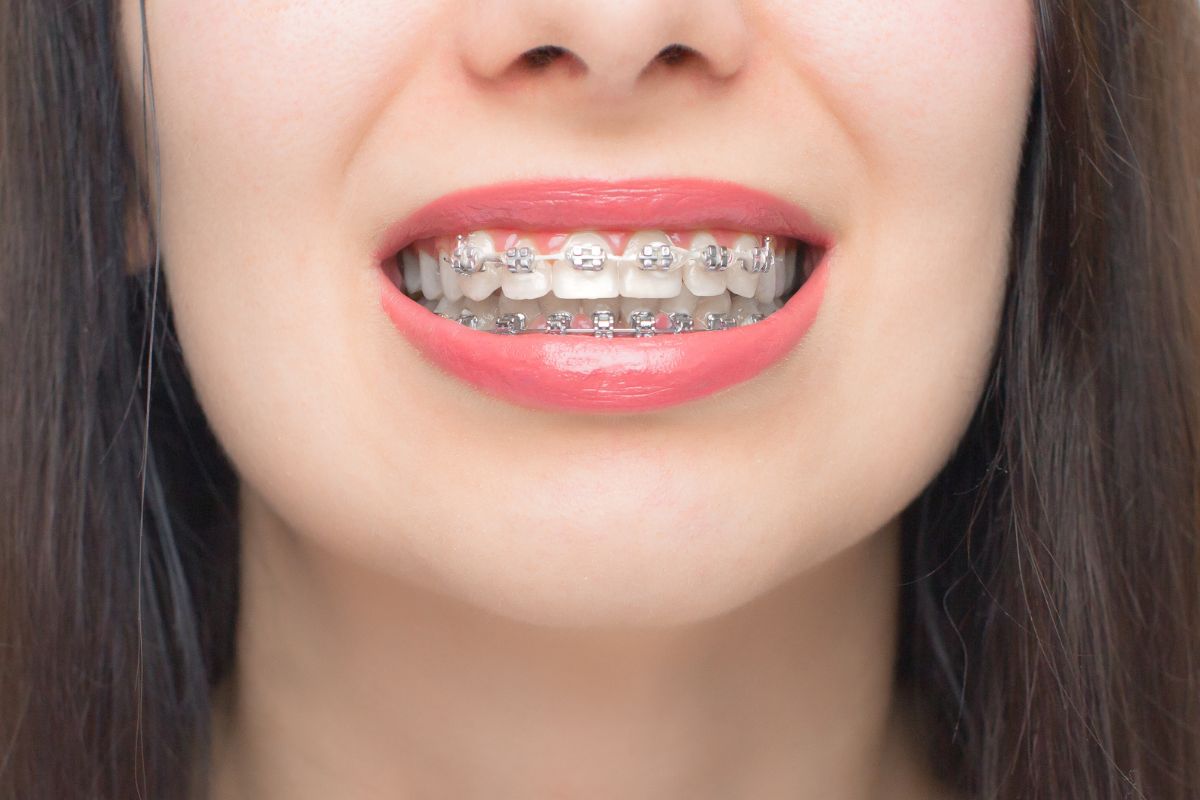
One of the most noticeable differences between Invisalign® and traditional braces is their appearance. Traditional metal braces consist of metal brackets and wires that are attached to the teeth, making them quite visible. This can be a concern for those who want to maintain a more natural look while undergoing orthodontic treatment.
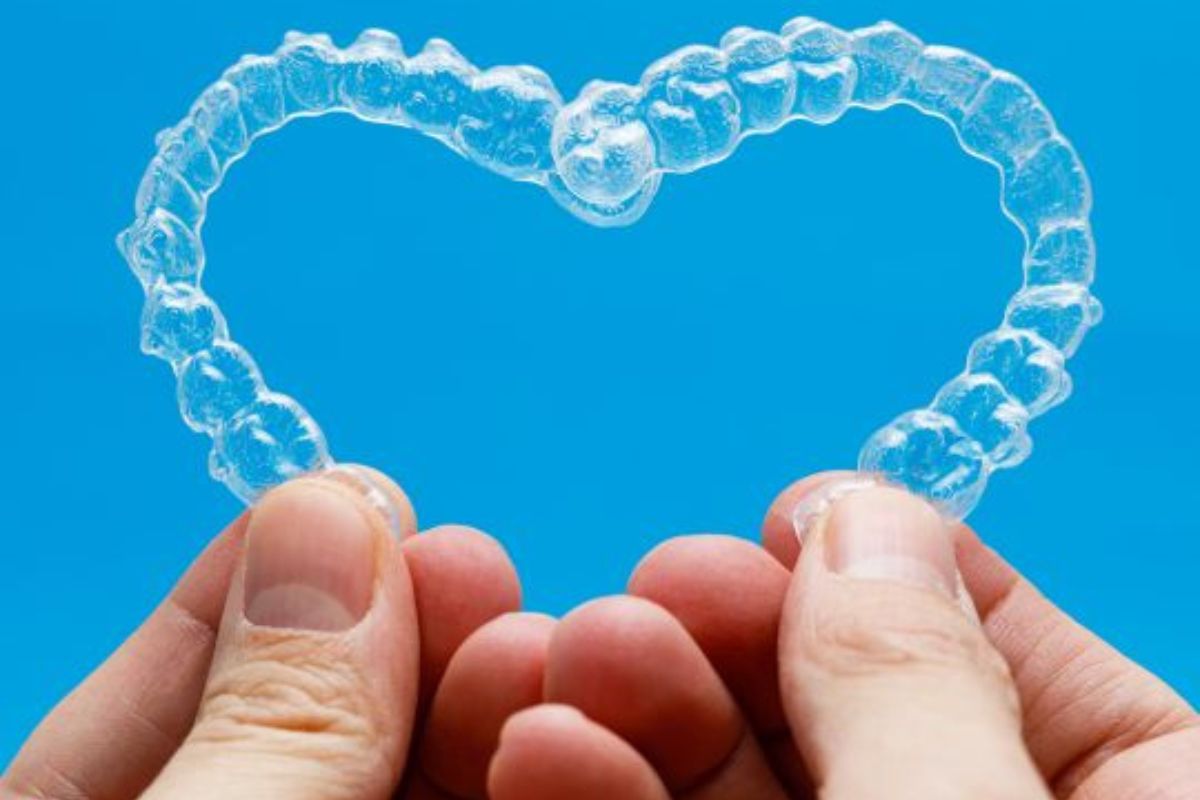
In contrast, Invisalign® aligners are made of clear, nearly invisible plastic trays that fit snugly over your teeth. This makes them an attractive option for anyone who wants to straighten their teeth discreetly. If you’re concerned about the aesthetic impact of braces on your smile, Invisalign® may be the perfect solution for you, allowing you to achieve a straighter smile without drawing attention to the treatment.
Comfort: Which Treatment Feels Better?
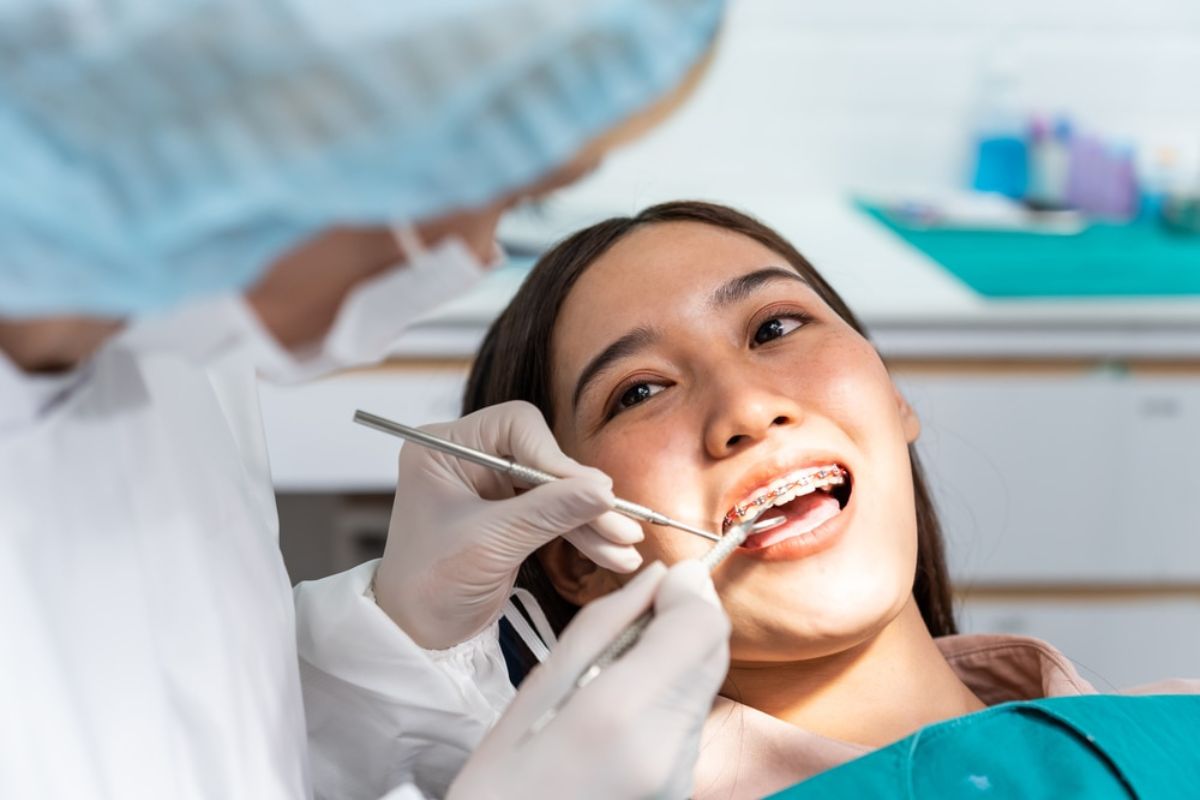
Comfort is another important factor when choosing between Invisalign® and traditional braces. With traditional braces, the metal brackets and wires can sometimes cause discomfort or irritation to the inside of the cheeks and lips, especially after adjustments. Patients often need to be cautious about eating certain foods that could damage the braces or cause discomfort.
Invisalign® aligners, on the other hand, are custom-made from smooth plastic, which eliminates the irritation caused by metal brackets. Additionally, Invisalign® patients in Bridge City can remove their aligners when eating, which means there are no dietary restrictions and less risk of discomfort during meals. For those seeking a more comfortable and flexible option, Invisalign® provides a significant advantage.
Treatment Duration: Which is Faster?
Both Invisalign® and traditional braces are effective in treating a wide range of orthodontic issues, but treatment times can vary depending on the severity of the case. Traditional braces generally take 18 to 24 months to complete the process, with adjustments needed every few weeks to tighten the wires and ensure progress.
Invisalign® treatment times can be similar, but many cases are completed in as little as 12 to 18 months. Since Invisalign® aligners are changed every one to two weeks, the treatment can progress at a more consistent rate, potentially shortening the overall duration.
For residents of Bridge City looking for faster results, Invisalign® may offer a more efficient timeline, depending on individual needs and treatment goals.
Convenience: Flexibility with Invisalign®
One of the most appealing aspects of Invisalign® is the convenience it offers. Because the aligners are removable, you can take them out for eating, brushing, and flossing, allowing you to maintain your regular oral hygiene routine without any additional tools or techniques. This flexibility also means that you don’t have to worry about food getting stuck in brackets or wires, which is a common issue with traditional braces.
With traditional braces, oral hygiene can be a bit more challenging. Patients need to use special brushes and floss threaders to clean around the brackets and wires. Additionally, certain foods, like popcorn, sticky candies, and hard snacks, must be avoided to prevent damage to the braces.
For those with busy lifestyles or who prefer a more flexible treatment plan, Invisalign® is a top choice, offering both convenience and ease of use.
Cost: A Consideration for Many
Cost is always a factor when considering orthodontic treatment, and both Invisalign® and traditional braces come with varying price tags. The cost of traditional braces is generally lower, but this depends on the complexity of the case and the duration of treatment.
Invisalign® aligners tend to be slightly more expensive, primarily due to the advanced technology used in creating custom aligners for each patient. However, many Bridge City orthodontic offices offer flexible payment plans and financing options to make Invisalign® more affordable.
While Invisalign® may have a higher upfront cost, the convenience, comfort, and discreet appearance can make it well worth the investment for many patients.
Effectiveness: Treating Orthodontic Issues
Both Invisalign® and traditional braces are highly effective at treating a variety of orthodontic problems, including crooked teeth, gaps, overbites, underbites, and crowded teeth. However, traditional braces may be more suitable for severe or complex cases, as they provide more control over tooth movement. In some cases, traditional braces may be recommended for patients with more extensive orthodontic needs.
Invisalign® is an excellent option for mild to moderate cases and is particularly beneficial for those who prefer a more aesthetic approach to orthodontic treatment. If you’re unsure which option is best for your specific dental needs, consulting with an experienced orthodontist in Bridge City is the best way to determine the most suitable treatment plan.
Which is the Best Option for You?
The decision between Invisalign® and traditional braces ultimately comes down to your personal preferences, lifestyle, and the complexity of your orthodontic case. Invisalign Bridge City is an ideal choice for those seeking a nearly invisible, comfortable, and convenient treatment option. However, for patients with more complex dental issues or who don’t mind the appearance of traditional braces, metal braces can still provide excellent results.
If you’re considering orthodontic treatment, schedule a consultation with Gulfside Dental & Orthodontics – Bridge City. They will assess your unique needs and help you choose the best treatment option to give you the straight, beautiful smile you deserve.