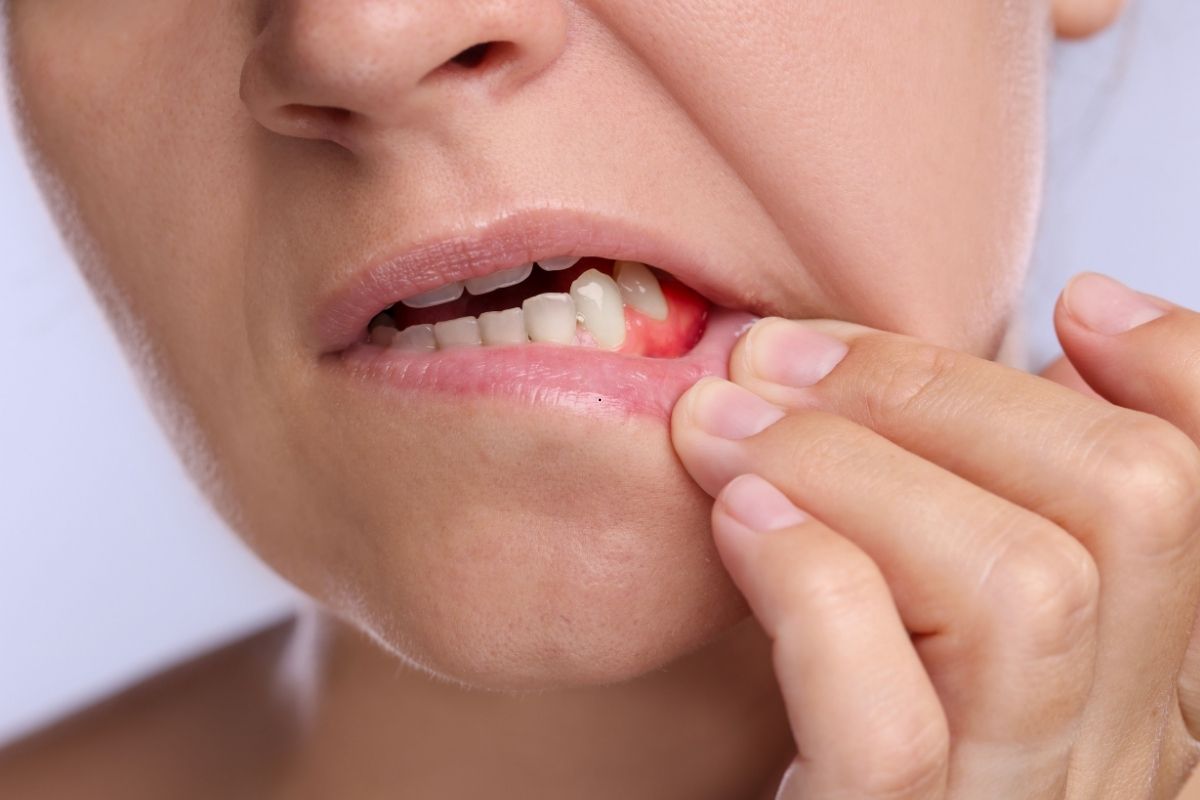

Waking up with a dry mouth can be uncomfortable and concerning. If you frequently experience dryness in your mouth at night, it may be more than just dehydration—it could be a sign of an underlying health or dental issue. Understanding the causes and solutions for dry mouth can help you find relief and protect your oral health. Consulting a Beaumont dentist can also provide professional guidance and treatment options.
What Causes Dry Mouth at Night?
1. Dehydration
One of the most common causes of dry mouth is not drinking enough water throughout the day. When your body lacks sufficient fluids, saliva production decreases, leading to dryness.
2. Sleeping with Your Mouth Open
Breathing through your mouth, especially while sleeping, can quickly dry out your oral tissues. This can be due to nasal congestion, sleep apnea, or habit. A Beaumont dentist may suggest mouthguards or other solutions to prevent this issue.
3. Side Effects of Medications
Many prescription and over-the-counter medications can reduce saliva production. Common culprits include:
- Antihistamines
- Antidepressants
- Blood pressure medications
- Decongestants
If you suspect your medication is causing dry mouth, talk to your doctor about alternative options.
4. Aging
As we age, saliva production naturally declines. Older adults are more likely to experience dry mouth at night, especially if they take multiple medications.
5. Medical Conditions
Certain health issues can lead to dry mouth, including:
- Diabetes
- Sjӧgren’s syndrome (an autoimmune disease affecting moisture-producing glands)
- Sleep apnea
- Nerve damage from head or neck injuries
6. Smoking and Alcohol Use
Both smoking and alcohol consumption can dry out the mouth and reduce saliva production. Cutting back on these habits can help improve moisture levels.
7. Caffeine Consumption
Drinking coffee, tea, or energy drinks before bed can contribute to dehydration and dry mouth. Try reducing caffeine intake, especially in the evening.
How to Manage and Prevent Nighttime Dry Mouth
1. Stay Hydrated
Drink plenty of water throughout the day, especially before bedtime. Keeping a glass of water by your bedside can help if you wake up with dryness.
2. Use a Humidifier
Dry air can contribute to mouth dryness. Using a humidifier in your bedroom can add moisture to the air and help keep your mouth from drying out.
3. Maintain Good Oral Hygiene
Brushing and flossing regularly helps prevent tooth decay and gum disease, which can worsen dry mouth. A Beaumont dentist can recommend the best oral care products for your condition.
4. Avoid Alcohol-Based Mouthwashes
Many mouthwashes contain alcohol, which can make dry mouth worse. Look for alcohol-free mouthwashes designed to moisturize and protect your mouth.
5. Limit Caffeine and Alcohol Intake
Reducing caffeine and alcohol consumption, especially in the evening, can help maintain saliva production and prevent dehydration.
6. Try Saliva-Boosting Products
Sugar-free lozenges, chewing gum, and saliva substitutes can help stimulate saliva flow and relieve nighttime dryness.
7. Consult a Dentist
If dry mouth persists, it’s essential to see a Beaumont dentist for an evaluation. They can help determine the root cause and recommend treatments such as prescription mouthwashes, fluoride treatments, or saliva stimulants.
When to See a Dentist
If your dry mouth is persistent and accompanied by symptoms like bad breath, difficulty swallowing, or frequent cavities, it’s time to visit a Beaumont dentist. Left untreated, chronic dry mouth can lead to tooth decay, gum disease, and oral infections.
Final Thoughts
Nighttime dry mouth can be more than just a minor annoyance—it can affect your overall oral health. Identifying the cause and taking proactive steps can help you find relief. Staying hydrated, improving your nighttime habits, and consulting Gulfside Dental & Orthodontics – Beaumont can make a significant difference in managing dry mouth effectively.