
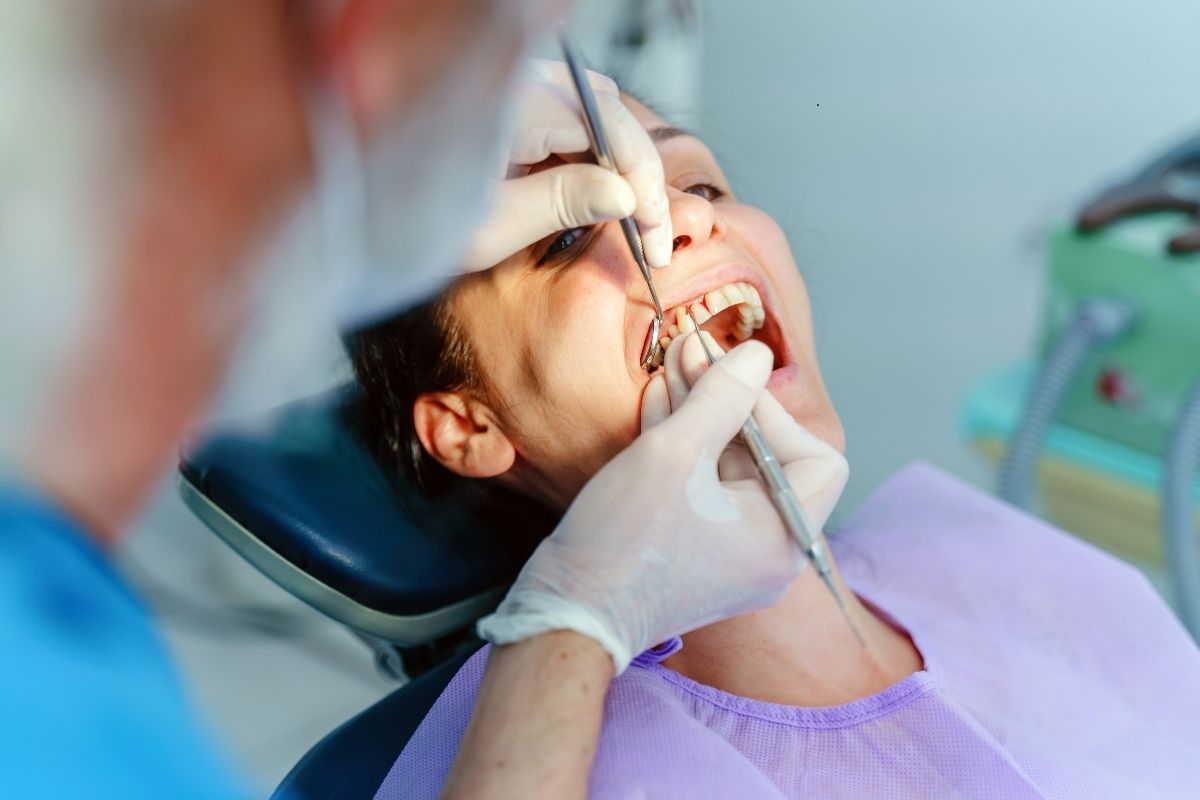
Undergoing oral surgery can be a daunting experience, but with the right care and guidance, you can ensure a smooth and speedy recovery. Whether you’ve had a tooth extraction, dental implant placement, or another type of oral surgery, following your dentist’s post-operative instructions is crucial. If you’re looking for personalized care and expert advice, a qualified dentist can help you navigate the recovery process effectively.
Follow Your Dentist’s Instructions Carefully
After your oral surgery, your dentist in Bridge will provide you with specific post-operative instructions. These may include guidelines on pain management, diet, oral hygiene, and activity restrictions. Adhering to these instructions is key to preventing complications and ensuring a smooth recovery. If you have any questions or concerns, don’t hesitate to reach out to your dentist for clarification.
Manage Pain and Swelling
Pain and swelling are common after oral surgery. Your dentist may prescribe pain medication or recommend over-the-counter pain relievers to help manage discomfort. Applying an ice pack to the outside of your face near the surgical site can also reduce swelling and numb the area. Use the ice pack for 15-20 minutes at a time, with breaks in between.
Stick to a Soft Diet
Eating the right foods is important for your recovery. Stick to a soft diet for the first few days after surgery, avoiding hard, crunchy, or spicy foods that could irritate the surgical site. Some safe options include yogurt, mashed potatoes, scrambled eggs, smoothies, and soups. Gradually reintroduce solid foods as your dentist in Bridge City advises.
Keep Your Mouth Clean
Maintaining good oral hygiene is essential for preventing infection after oral surgery. Your dentist may recommend rinsing your mouth with a saltwater solution starting 24 hours after surgery to help keep the area clean. Avoid brushing the surgical site directly until it has healed sufficiently. Instead, brush and floss the rest of your teeth as usual, being gentle around the surgical area.
Avoid Smoking and Alcohol
Smoking and alcohol can interfere with the healing process and increase the risk of complications, such as dry sockets and infection. It’s best to avoid both for at least a week after your surgery. If you’re a smoker, consider this an opportunity to quit or reduce your habit, as smoking can have long-term negative effects on your oral health.
Get Plenty of Rest
Rest is vital for recovery. Take it easy for the first few days after your oral surgery, avoiding strenuous activities that could increase blood pressure and lead to bleeding. Prop your head up with pillows while resting to minimize swelling. Your dentist may provide you with specific guidelines on when you can resume normal activities.
Stay Hydrated
Drinking plenty of fluids is important for staying hydrated and promoting healing. Stick to water and clear liquids, avoiding beverages that are too hot or too cold, as extreme temperatures can cause discomfort. Avoid using a straw, as the suction can dislodge the blood clot and delay healing.
Monitor Your Recovery
Keep an eye on your recovery and be aware of any signs that something might be wrong. If you experience severe pain, prolonged bleeding, or signs of infection such as fever or pus, contact your dentist immediately. Early intervention can prevent complications and ensure that your recovery stays on track.
Conclusion
Recovering from oral surgery requires a combination of rest, care, and attention to your dentist’s instructions. By following these recovery tips and maintaining open communication with your dentist in Bridge City, you can minimize discomfort and speed up the healing process. Remember Gulfside Dental & Orthodontics – Bridge City team is there to support you, so don’t hesitate to reach out if you have any concerns during your recovery.
