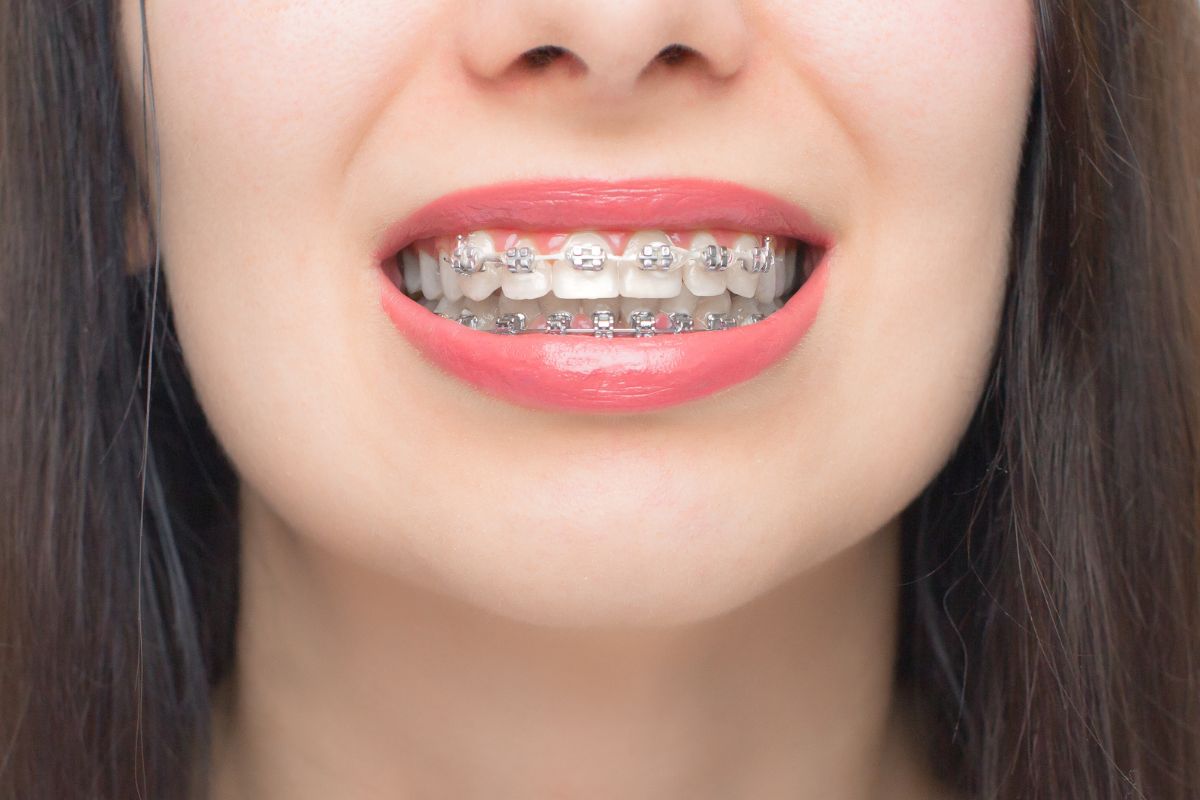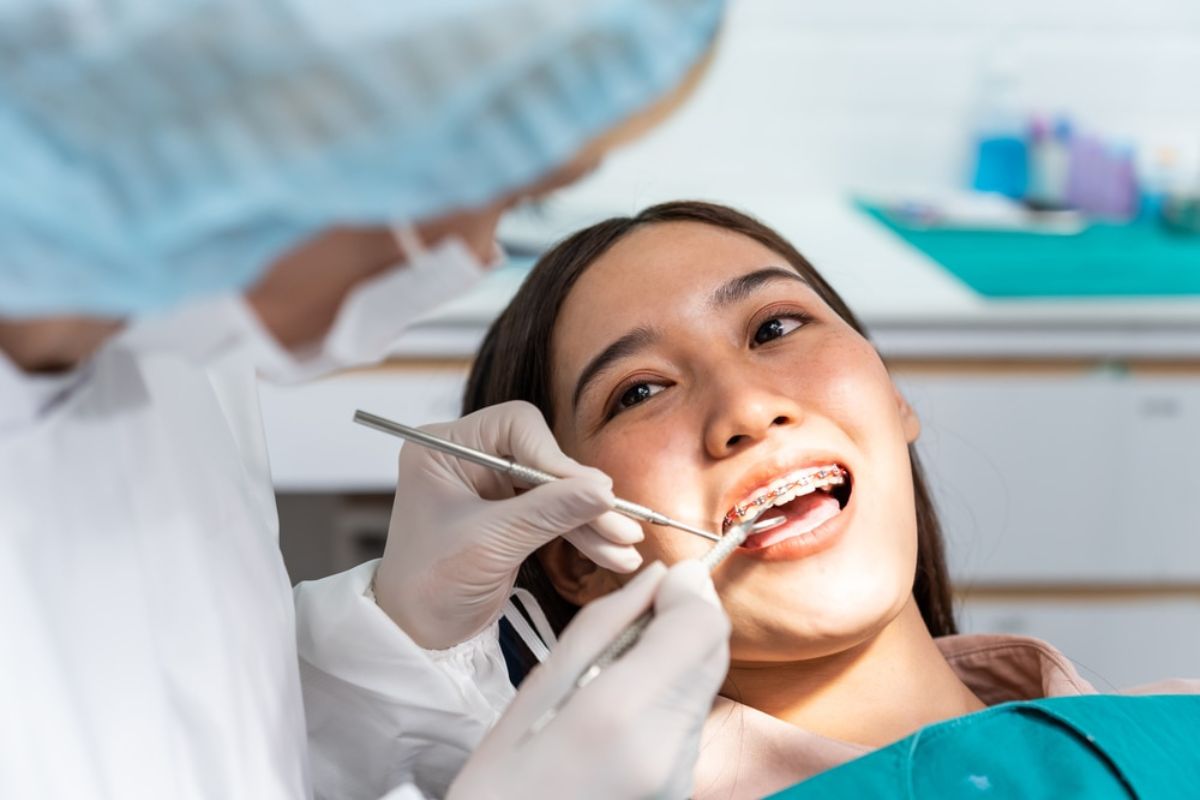

Achieving a perfect smile often requires more than just braces or aligners. In some cases, tooth extractions play a vital role in creating the necessary space to align teeth effectively and ensure long-term oral health. Understanding why extractions are sometimes recommended as part of orthodontic treatment can help patients feel more confident about their journey to a straighter smile.
Why Are Tooth Extractions Necessary in Orthodontics?
Orthodontic treatment aims to correct misaligned teeth, improve bite functionality, and enhance overall aesthetics. While many cases can be addressed without extractions, there are situations where removing one or more teeth becomes essential for achieving optimal results. Here are the main reasons why extractions may be recommended:
Managing Crowded Teeth
Overcrowding occurs when there isn’t enough space in the jaw for all the teeth to fit properly. This can lead to overlapping teeth, difficulty cleaning, and an increased risk of decay and gum disease. By extracting certain teeth, orthodontists can create the space needed to align the remaining teeth effectively.
Correcting Bite Issues
Severe overbites, underbites, or crossbites may require extractions to balance the jaw and teeth alignment. Removing specific teeth allows the orthodontist to reposition the bite more accurately, improving both function and appearance.
Facilitating Orthodontic Treatment
In cases of extreme misalignment, braces or Invisalign alone might not provide sufficient correction. Extractions help reduce overcrowding and make it easier for orthodontic devices to guide teeth into their proper positions. This can also shorten treatment time and enhance the final results.
Addressing Impacted Teeth
Impacted teeth, particularly wisdom teeth or canines, can cause pain, infection, and misalignment. Extracting these teeth ensures they don’t interfere with the alignment process and helps prevent future complications.
How Orthodontists Decide on Extractions
The decision to extract teeth is never taken lightly. Orthodontists perform a thorough assessment to determine if extractions are the best course of action. This process includes:
- Comprehensive Examination: Using X-rays, 3D scans, and molds to evaluate the jaw structure, teeth alignment, and overall dental health.
- Customized Treatment Plan: Considering factors such as the patient’s age, dental health, and aesthetic goals to create a personalized plan that may or may not involve extractions.
The Benefits of Tooth Extractions in Orthodontic Treatment
While the idea of having teeth removed might seem daunting, extractions can offer several benefits when included as part of orthodontic care:
- Improved Alignment: Creating space for teeth to move into their proper positions.
- Better Oral Hygiene: Properly aligned teeth are easier to clean, reducing the risk of cavities and gum disease.
- Enhanced Aesthetics: A balanced and symmetrical smile can boost confidence and self-esteem.
- Efficient Treatment: Reducing overcrowding can speed up the orthodontic process and improve the outcome.
Addressing Common Concerns About Extractions
It’s natural for patients to have questions and concerns about tooth extractions. Here are some common worries and how orthodontists address them:
Does Tooth Extraction Hurt?
Thanks to modern dental techniques and local anesthesia, tooth extractions are generally pain-free. Post-procedure discomfort is manageable with over-the-counter pain relievers and proper aftercare.
Will Extractions Affect My Appearance?
Orthodontists carefully plan extractions to ensure they enhance, rather than detract from, facial aesthetics. In many cases, removing overcrowded teeth can improve facial balance.
How Long Is the Recovery?
Recovery typically takes a few days, during which patients should follow aftercare instructions to promote healing and prevent complications like dry sockets.
What Happens After Tooth Extractions?
Once the teeth are extracted, orthodontic treatment begins or continues. Braces or aligners are used to close the gaps left by the extractions and guide the remaining teeth into their correct positions. Regular check-ups with the Orthodontist Beaumont ensure the treatment progresses smoothly and any adjustments are made promptly.
Alternatives to Tooth Extractions in Orthodontics
In some cases, orthodontists may explore alternatives to extractions, such as:
- Palatal Expanders: Used to widen the upper jaw and create space for teeth.
- Interproximal Reduction (IPR): A technique that involves reshaping the sides of teeth to make room without removing them.
- Advanced Aligners: Invisalign and other advanced systems may sometimes eliminate the need for extractions by gently guiding teeth over time.
Conclusion
Tooth extractions play a crucial role in orthodontic treatment when necessary, helping to address overcrowding, correct bite issues, and improve overall oral health. While the thought of extractions may seem intimidating, they are a safe and effective way to achieve a healthy, beautiful smile. Consult with Gulfside Dental & Orthodontics – Beaumont to discuss your specific needs and explore the best treatment options for your journey to straighter teeth.