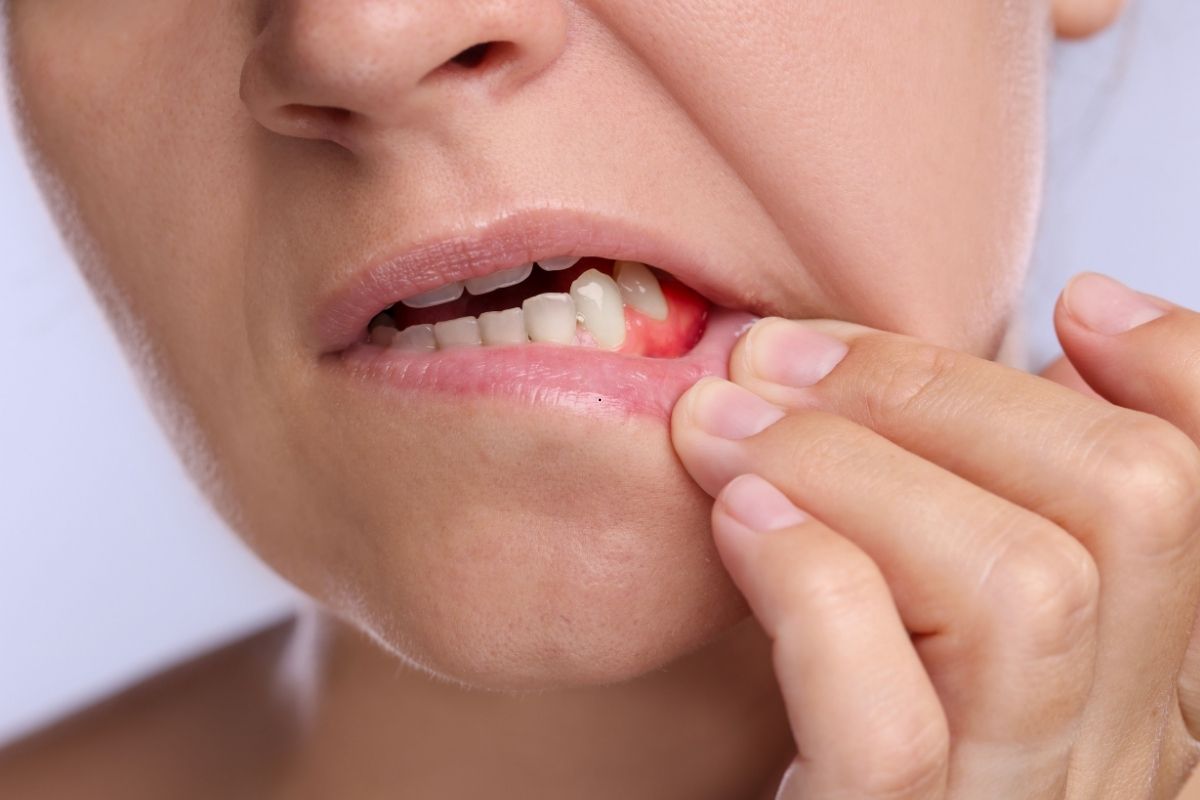

Many people wait for pain before they schedule a dental visit, but teeth and gums often show quiet signs long before discomfort begins. When these early clues appear, a quick trip to a dentist in Galveston can protect your mouth from bigger problems later. Your smile depends on steady care, and knowing when to act helps you stay healthy. At Gulfside Dental and Orthodontics in Galveston, the goal is to give clear guidance so patients feel confident about their choices. Once you know what to look for, it becomes much easier to decide when it is time to schedule a visit with a trusted Galveston dentist.
1. Tooth Pain That Comes and Goes
Tooth pain is one of the clearest signs that your mouth needs care. Even light pain can point to decay, cracks or infection. Pain that comes and goes should never be ignored because it often means the issue is growing under the surface. Sensitive areas may react to cold drinks or sweet foods. These early signs show that something in the tooth needs attention. When you meet with a dentist in Galveston, the source of the pain can be found before it turns into a larger problem. This early step may save your tooth and prevent long appointments later.
2. Bleeding Gums While Brushing
If your gums bleed when you brush or floss, this is not normal. Many people think it is due to brushing too hard, but bleeding gums are often linked to plaque build up or early gum disease. Healthy gums do not bleed during daily care. When they do, you should plan a visit soon so the cause can be checked. Early gum care stops swelling and keeps the tissue around your teeth firm. A gentle cleaning can remove what brushing misses and help your gums heal. A Galveston dentist can guide you on simple habits that keep bleeding from returning.
3. Bad Breath That Will Not Go Away
All people deal with bad breath at times, but when it becomes steady or strong, it may be a sign of hidden plaque, gum issues or tooth decay. Bad breath often comes from bacteria that stay on the tongue or between teeth. Even with brushing, these areas can grow bacteria that give off a strong smell. When home care does not help, a dental visit is needed. Cleanings clear the build up that causes the smell and bring back fresh breath. A simple exam can show if the problem comes from gums, the tongue or a cavity that needs care.
4. Sensitivity to Hot or Cold Drinks
If your teeth feel sharp pain when you drink something hot or cold, this is a sign that the enamel may be worn down or a cavity may be forming. Sensitivity can also come from gum recession or grinding at night. While some store products help with mild cases, steady sensitivity needs a proper check. A dentist in Galveston can see if the nerve is affected or if an area needs repair. Early care protects the tooth and keeps the sensitivity from getting worse over time.
5. A Loose Tooth or Shifting Bite
Adult teeth should stay firm. If you notice a tooth that moves even a little, this is a sign that the support around the tooth may be weakening. Gum disease is a common cause of loose teeth, but an injury or grinding can also create movement. A shifting bite or teeth that no longer fit together like they used to may show that pressure is uneven. When this happens, it is best to act fast. Dental care can protect the bone and tissue that support your teeth. Waiting too long often leads to more complex treatment.
6. Sores That Do Not Heal
Mouth sores often heal within a short time, but a sore that lasts more than two weeks should be checked. These sores may come from rubbing, sharp teeth or irritation from food. A long lasting sore may also need a closer look to rule out deeper concerns. A Galveston dentist can examine the area with gentle tools and suggest treatment to help it heal. Sores that keep coming back should also be checked to prevent ongoing discomfort.
7. Dry Mouth That Feels Hard to Manage
Saliva protects your teeth by washing away food and bacteria. When the mouth stays dry, it becomes easier for cavities and gum issues to form. Dry mouth can come from medicine, dehydration or health conditions that lower saliva flow. If drinking water does not help, it is time to see a dentist. There are treatments and simple steps that help restore moisture. A dry mouth should never be ignored because it affects the strength of your teeth over time.
If you notice any of these signs, this is the right time to plan a visit. Early care is easier, faster and more comfortable than waiting for pain to begin.
8. Changes in the Color of Your Gums or Teeth
Gums should look pink and firm. If they look dark, red or swollen, they may need care. Teeth that look darker than normal or show spots may also need to be checked. These changes are not always painful, but they show that something in the mouth may be shifting. Small changes often point to early decay or gum irritation. Meeting with a dentist in Galveston helps you understand the cause and plan the right steps to protect your smile.
9. A Chipped or Cracked Tooth
Even a small chip can expose the inner parts of your tooth. This makes it easier for bacteria to enter and cause decay or infection. Cracks can spread with time, especially when chewing foods that need more force. A quick repair can protect the tooth and keep your bite strong. Waiting often leads to more pain or a deeper crack that needs advanced care. A Galveston dentist can repair the area and keep the tooth stable.
10. Trouble Chewing or Biting
Chewing should feel normal and comfortable. If you feel pain or pressure when you chew, it may mean a tooth is damaged, a filling is loose or your bite needs care. Difficulty chewing can also come from gum disease or infection. Early care helps you keep your teeth healthy and prevents more damage from pressure.
Conclusion
Your mouth shows many early signs when it needs care. Paying attention to pain, bleeding, swelling, bad breath, changes in color, dry mouth or loose teeth helps you act before problems grow. When you see these signs, a simple visit with a dentist in Galveston can make a big difference. Gulfside Dental and Orthodontics Galveston supports patients with clear care that helps protect their long term oral health. By acting early, you save time, protect your smile and avoid discomfort. Your mouth is part of your daily life, and caring for it keeps you healthy. Listen to what it tells you, and schedule a visit when something feels off.
FAQs
1. How often should I visit a dentist?
Most people should visit every six months. Some may need more visits based on gum or tooth health.
2. Can mild tooth pain go away on its own?
It may fade, but the cause often remains. A visit helps prevent deeper issues.
3. What if my gums bleed only sometimes?
Even light or rare bleeding is a sign that your gums may need care.
4. Is bad breath always linked to poor brushing?
No. Bad breath often comes from gum issues or hidden plaque.
5. Should I worry about mild sensitivity?
Yes. Sensitivity shows that enamel or gums may need attention.
6. What if I have a mouth sore that stays for weeks?
You should schedule a check so the cause can be found and treated.
7. Are loose teeth always caused by gum disease?
No, but gum disease is a common cause. Injury or grinding can also create movement.