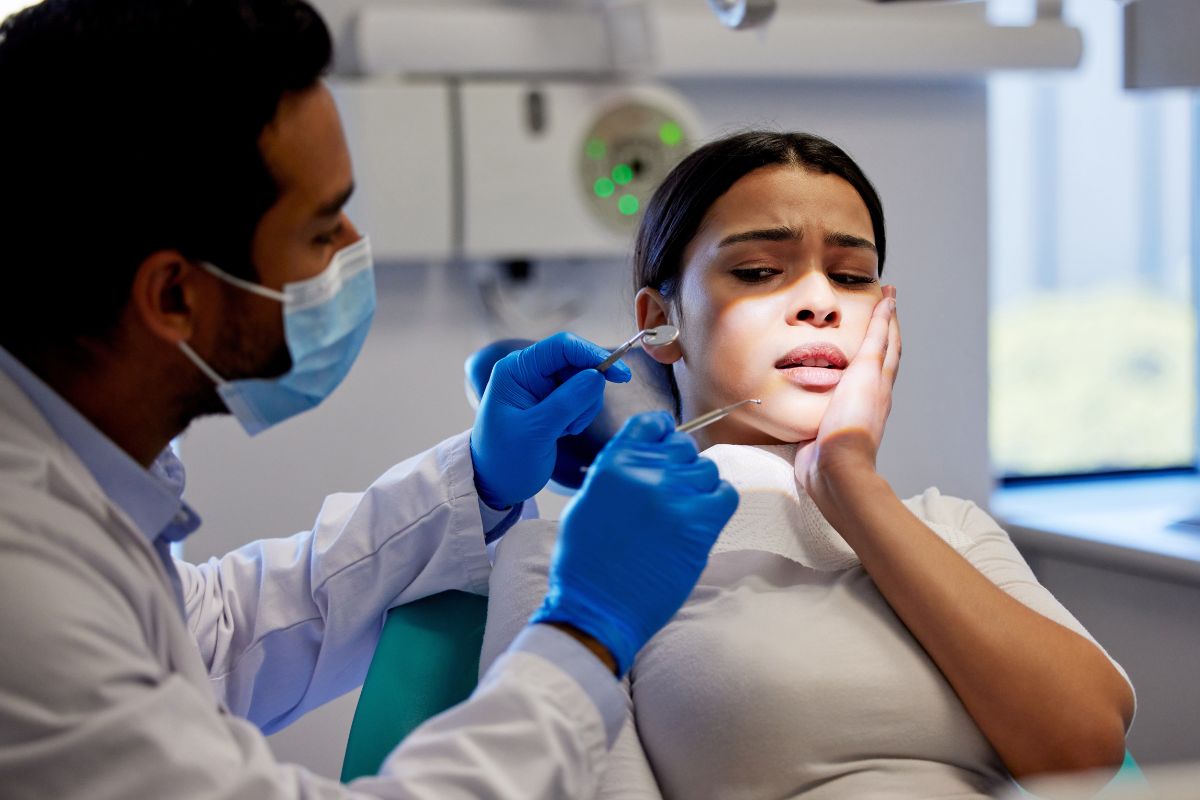

It’s late at night in Beaumont and a sudden, throbbing toothache won’t let you sleep. Or maybe your child takes a hit during a weekend game and comes home holding a loose tooth. Dental emergencies rarely happen at convenient times. Knowing when to seek urgent dental care — and who to call — can make all the difference in protecting your smile.
If you’re unsure whether your situation requires immediate attention, understanding the warning signs can help you act quickly and confidently. Access to prompt urgent dental care in Beaumont ensures small problems don’t turn into serious health concerns.
What Qualifies as Urgent Dental Care?
Urgent dental care addresses problems that require prompt treatment to relieve pain, stop bleeding, prevent infection, or save a tooth. These situations often cannot wait days or weeks for a routine appointment. However, not every dental issue requires a trip to the emergency room. In most cases, contacting an emergency dentist in Beaumont is the right first step. Emergency rooms can manage pain or infection temporarily, but they typically do not provide definitive dental treatment.
Routine issues like mild tooth sensitivity or a lost filling without pain can often wait for a scheduled visit. But if you’re experiencing intense discomfort, swelling, or trauma, immediate dental care is essential.
Warning Signs to Watch
Severe or Persistent Tooth Pain
Tooth pain that doesn’t go away — or worsens over time — is one of the most common reasons patients seek severe tooth pain relief. Persistent pain may indicate deep decay, nerve damage, or an abscess.
If over-the-counter medication doesn’t help or the pain interferes with eating and sleeping, it’s time to call us for urgent evaluation.
Swelling in the Gums or Face
Swelling in your gums, jaw, or face can signal a serious infection. Dental infection symptoms may also include fever, tenderness, or difficulty swallowing.
Facial swelling should never be ignored. Infections can spread quickly if left untreated. Seeking urgent dental care in Beaumont can prevent complications and protect your overall health.
Knocked-Out or Loose Tooth
A knocked-out tooth emergency requires immediate action. If a permanent tooth is completely dislodged, gently rinse it (without scrubbing), place it back in the socket if possible, or store it in milk. Then contact an emergency dentist in Beaumont right away.
Time is critical. Teeth have the highest chance of being saved when treated within an hour.
Even a loose adult tooth after trauma is a serious issue. Prompt care may help stabilize and preserve it.
Broken, Cracked, or Chipped Tooth
Not all chipped teeth are emergencies — but if you’re experiencing pain, sharp edges, or visible damage exposing the inner layers of the tooth, you may need broken tooth treatment quickly.
Cracks can worsen over time, allowing bacteria to enter and cause infection. Early intervention reduces the risk of more extensive procedures later.
Bleeding That Won’t Stop
Bleeding following a dental injury or extraction should slow within a short period. If bleeding continues despite applying gentle pressure with clean gauze, it may require professional care.
Uncontrolled bleeding is always a reason to contact Gulfside Dental & Orthodontics – Beaumont immediately.
Signs of Infection
Dental infections can become serious if not treated promptly. Watch for these dental infection symptoms:
- Persistent throbbing pain
- Swelling in the face or jaw
- Fever
- Pus or drainage
- A foul taste in the mouth
These signs indicate the need for urgent evaluation to prevent the infection from spreading.
What to Do Before You See a Dentist
If you’re facing a dental emergency, taking the right steps before your appointment can reduce complications:
- For tooth pain: Rinse with warm salt water and apply a cold compress to reduce swelling.
- For a knocked-out tooth: Handle it by the crown (not the root) and keep it moist.
- For a broken tooth: Rinse your mouth and save any fragments if possible.
- For swelling: Apply a cold compress to the outside of your cheek.
Most importantly, contact an emergency dentist in Beaumont as soon as possible. Early communication allows the dental team to prepare for your arrival and provide faster relief.
Why Acting Quickly Matters
Delaying treatment can lead to more serious problems. Infections can spread beyond the mouth, increasing health risks. Untreated cracks may require root canal therapy or extraction. Severe decay can result in tooth loss. Prompt care not only protects your health but can also reduce overall treatment costs. Addressing problems early is almost always less invasive and less expensive than waiting.
Residents of Beaumont benefit from having access to experienced dental professionals who understand how urgent care fits into comprehensive oral health. Seeing a trusted dentist in Beaumont ensures you receive appropriate treatment quickly and safely.
Trusted Care
Dental emergencies can feel overwhelming, but you don’t have to navigate them alone. If you or a family member experiences sudden pain, trauma, or swelling, seeking urgent dental care in Beaumont can provide relief and peace of mind.
Local dental offices offering same-day emergency appointments prioritize patient comfort and swift treatment. Whether you need severe tooth pain relief, broken tooth treatment, or help with a knocked-out tooth emergency, acting quickly protects your smile for the future.
If you’re unsure whether your situation qualifies as urgent, it’s always better to call and ask. A compassionate dental team can guide you through the next steps and schedule care promptly.
FAQ
1. Should I go to the ER or call an emergency dentist?
If you have facial trauma, difficulty breathing, or uncontrolled bleeding, go to the ER. For tooth pain, infections, or broken teeth, contact an emergency dentist in Beaumont first.
2. How quickly should I seek care for a knocked-out tooth?
Immediately. Teeth have the best chance of being saved if treated within 30–60 minutes.
3. Can a dental infection go away on its own?
No. While pain may temporarily lessen, infections require professional treatment to prevent spreading.