
What is Obstructive Sleep Apnea?
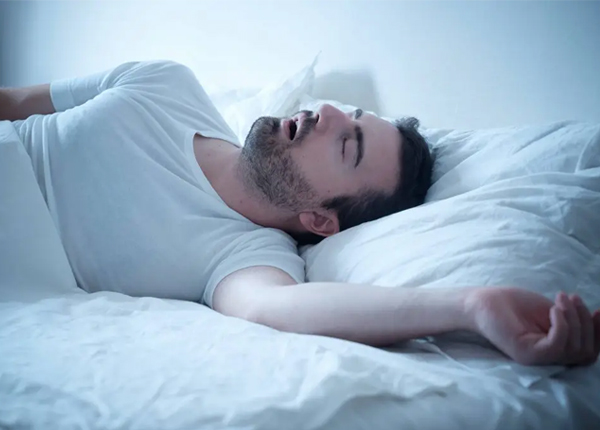
In the United States, about 20% of adults are affected by OSA, a chronic condition that can lead to frequent interruptions in breathing during sleep. These interruptions can last anywhere from a few seconds to over a minute and occur when the muscles relax, causing the airway to become blocked by collapsing soft tissue. As a result, oxygen levels decrease and individuals experience brief awakenings that disrupt their sleep. Common symptoms of OSA include gasping, snoring, choking sounds, headaches, obesity, daytime fatigue, and teeth grinding at night.
Is treating OSA Important?
Certainly! When your airway is blocked, your body faces a crucial decision between prioritizing oxygen or sleep, and it will always prioritize oxygen. If obstructive sleep apnea (OSA) is not addressed, it can lead to severe health issues including high blood pressure, stroke, heart disease, diabetes, acid reflux, erectile dysfunction (ED), extreme fatigue, and even death.
How are Snoring and OSA Diagnosed?
In order to determine whether your symptoms (such as snoring and daytime tiredness) indicate the presence of OSA, it is necessary to conduct a sleep study. Fortunately, most sleep studies can be conveniently carried out at home. You will receive a straightforward sleep monitoring device, which you will wear for one to two nights before returning it. The data collected by the device will then be analyzed by a sleep physician who is certified by a board.
Snore Frequently?
Obstructive sleep apnea is often indicated by loud and frequent snoring. This snoring can be bothersome to those sharing a bed or room, but it can also have negative effects on overall health, leading to excessive daytime fatigue and contributing to various harmful diseases. Factors such as alcohol consumption, smoking, being overweight, and nasal blockages can all heighten the likelihood of snoring. While snoring is more prevalent in men, women can also experience it, particularly during pregnancy or after menopause.
Oral Appliance Therapy
An oral appliance is worn during sleep and is similar in fit to a sports mouth guard or orthodontic retainer. It works by supporting your jaw in a forward position, which helps to open your upper airway. Studies have shown that oral appliance therapy is an effective treatment for snoring and Obstructive Sleep Apnea (OSA).
The process for Oral Appliance Therapy is as follows:
- We will be conducting a sleep study, and in most cases, we can offer the convenience of an at-home sleep study.
- A sleep study data will be analyzed by a certified sleep physician, who will then prescribe a custom-made oral appliance if necessary.
- Please come back to our office so we can fit and fabricate the appliance for you.
Making and Fitting Your Oral Appliance
Once the diagnosis is confirmed and the doctor prescribes a sleep appliance treatment, you will need to come back to our clinic. During this visit, we will take impressions and models of your teeth, which will be sent to a dental lab for the creation of the appliance. Once it is ready, you will return to ensure that the appliance fits correctly. During this appointment, we will make any necessary adjustments to maximize comfort and effectiveness. Additionally, we will provide you with instructions on how to care for and maintain the appliance at home. If you have any questions about whether your medical insurance covers oral appliance therapy, please feel free to call our office for more information.
Oral Appliance Therapy vs. CPAP
An oral appliance provides 70% of the effectiveness of a positive pressure device (CPAP). It helps increase energy levels throughout the day, promotes better quality sleep, and helps prevent various diseases. Many patients find oral appliances more preferable to CPAP due to their ease of use, low maintenance, portability, and lack of noise associated with CPAP machines.