
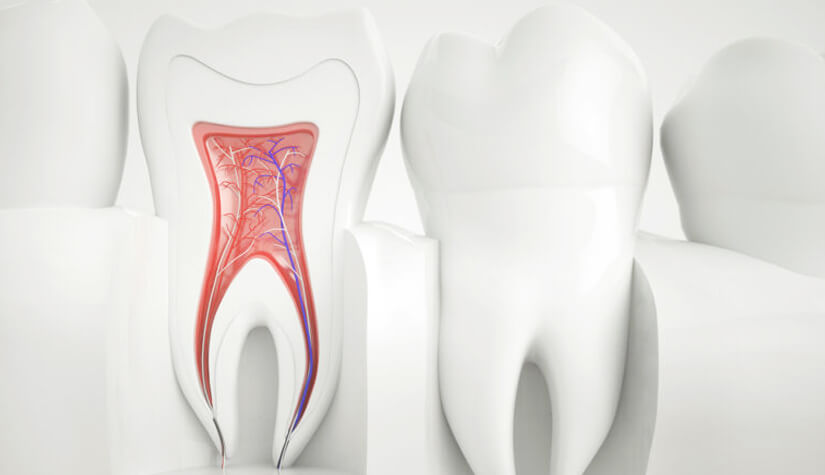
Dental Health and Root Canals
In the past, discovering a tooth with a diseased nerve would have likely resulted in its loss. However, nowadays, we have the option of saving the tooth through root canal treatment. This procedure is relatively straightforward and typically requires one to three office visits. The best part is that a root canal can preserve both your tooth and your smile!
What is the purpose of a root canal?
A tooth's nerve is not essential for its health or function once it has emerged through the gums. Its sole purpose is sensory, providing the ability to sense hot or cold sensations. The presence or absence of a nerve will not impact the tooth's day-to-day functioning.
However, if a tooth is cracked or has a deep cavity, bacteria can enter the pulp tissue and cause an infection inside the tooth. If left untreated, this can lead to the formation of an abscess. Failure to remove the diseased tissue will result in pain and swelling. Additionally, this can have negative effects on the jawbone and overall health. Without proper care, extraction of the tooth is likely necessary.
What are the signs that a root canal is needed?
If you notice any of the following signs, it could indicate the need for a root canal: intense toothache, discomfort while chewing or applying pressure, long-lasting sensitivity to hot or cold temperatures, a tooth that appears dark or discolored, and swelling or tenderness in the gums around the affected tooth. It's important to note that not all teeth requiring root canal therapy cause pain. If you experience any of these symptoms, please reach out to your dentist for further evaluation.
What happens during a root canal?
If you need a root canal treatment, you will need to schedule one to three visits. During these visits, either your endodontist or regular dentist will remove the affected tissue, clean and seal the interior of the tooth, and fill it with dental composite. In case of extensive decay, your doctor may suggest placing a crown on the tooth to provide additional strength and protection against breakage. As long as you maintain proper dental care, your restored tooth will remain in good condition for a lifetime.