
What is Obstructive Sleep Apnea?
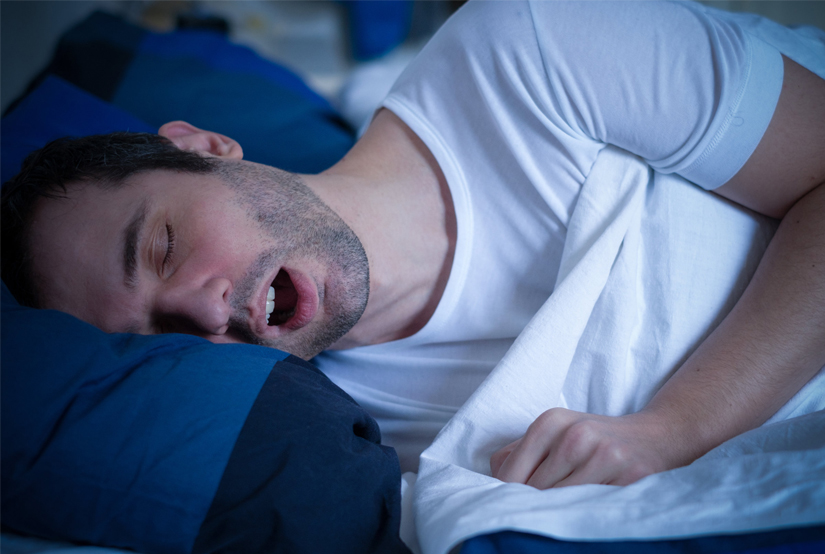
In the United States, roughly one in five adults experiences Obstructive Sleep Apnea (OSA). This chronic condition leads individuals to cease breathing multiple times during the night, with these pauses ranging from a few seconds to over a minute. OSA occurs when muscles relax during sleep, causing soft tissue to collapse and obstruct the airway. This results in recurrent breathing interruptions, leading to lowered oxygen levels. These pauses are accompanied by brief awakenings that disrupt the sleep cycle. Common indicators of OSA include gasping, snoring, choking sounds, headaches, obesity, daytime fatigue, and nighttime teeth grinding.
Is treating OSA Important?
Certainly, in the presence of an obstructed airway, the body prioritizes oxygen over sleep, leading to potential health risks. If untreated, Obstructive Sleep Apnea (OSA) can contribute to severe conditions including high blood pressure, stroke, heart disease, diabetes, acid reflux, erectile dysfunction (ED), extreme fatigue, and even mortality.
How are Snoring and OSA Diagnosed?
To ascertain whether symptoms such as snoring and daytime tiredness indicate the presence of Obstructive Sleep Apnea (OSA), a sleep study is necessary. In many cases, these studies can be conveniently conducted at home. A straightforward sleep monitoring device is sent to your residence, worn for one to two nights, and then returned. The data collected by the device is analyzed by a board-certified sleep physician.
Snore Frequently?
Frequent and loud snoring is a prevalent indicator of obstructive sleep apnea. While it may be bothersome to a bed partner or roommate, snoring can also contribute to various harmful health conditions and significant daytime fatigue. Factors such as alcohol consumption, smoking, obesity, and nasal obstruction elevate the risk of snoring. Although more common in men, women may also experience snoring, particularly during pregnancy or after menopause.
Oral Appliance Therapy
An oral appliance is akin to a sports mouthguard or orthodontic retainer, worn exclusively during sleep. By supporting your jaw in a forward position, these appliances help open your upper airway. Research indicates that oral appliance therapy is a successful treatment approach for both snoring and Obstructive Sleep Apnea (OSA).
The process for Oral Appliance Therapy is as follows:
- We will be conducting a sleep study, and in most cases, we can offer the convenience of an at-home sleep study.
- A sleep study data will be analyzed by a certified sleep physician, who will then prescribe a custom-made oral appliance if necessary.
- We kindly request your presence at our office for the fitting and fabrication of the appliance.
Making and Fitting Your Oral Appliance
After your diagnosis is confirmed and the physician prescribes a sleep appliance, you will need to come back to our clinic for us to take impressions and create models of your teeth. These will then be sent to a dental lab to make the appliance. Once it is ready, you will return to our clinic to ensure that the appliance fits properly. During this appointment, we will make any necessary adjustments to maximize comfort and effectiveness. We will also provide you with instructions on how to take care of the appliance at home and maintain its functionality.
Contact our office to learn about the coverage of oral appliance therapy under various medical insurance plans.
Oral Appliance Therapy vs. CPAP
An oral appliance provides 70% of the effectiveness of a positive pressure device (CPAP). It helps increase energy levels throughout the day, promotes better quality sleep, and helps prevent various diseases. Many patients choose an oral appliance over CPAP due to its convenience, ease of maintenance, portability, and lack of noise compared to a CPAP machine.