
Gentle Tooth Extractions, Swift Recovery
In certain situations, the extraction of a tooth becomes necessary. Occasionally, a baby tooth may have irregular or lengthy roots, hindering its natural shedding and necessitating removal to facilitate the eruption of a permanent tooth. Alternatively, severe decay in a tooth may pose a risk to surrounding teeth and the jaw, prompting your doctor to recommend extraction, followed by replacement with a bridge or implant. Infections, orthodontic adjustments, or issues with a wisdom tooth can also warrant the removal of a tooth.
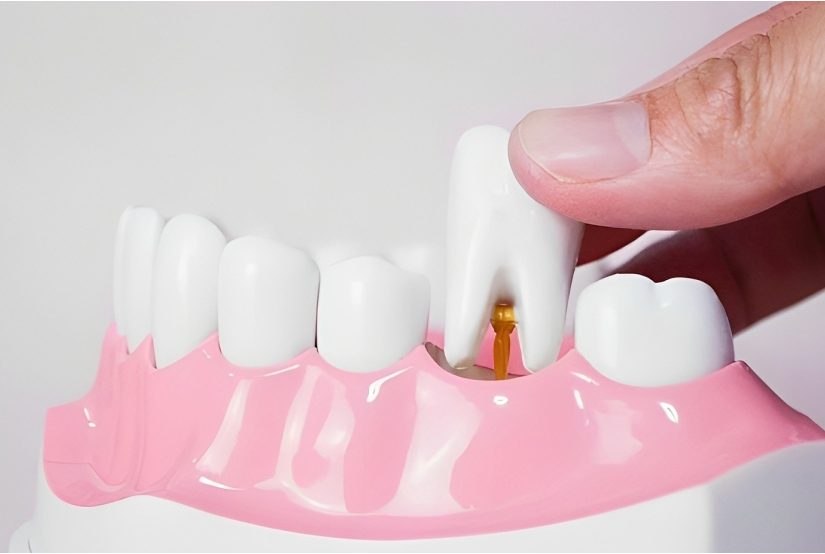
If the decision is made to remove a tooth, your dentist may perform the extraction during a routine checkup or schedule a separate appointment for the procedure. The tooth's root is housed in a "tooth socket" within your jawbone, secured by a ligament. To extract a tooth, the dentist enlarges the socket and detaches the tooth from the ligament holding it in position. Although the procedure is usually brief, it's essential to communicate any concerns or preferences for sedation with your dentist.
After a tooth has been extracted, nearby teeth may undergo shifting, potentially leading to issues with chewing and the function of your jaw joint. To prevent these complications, your dentist may suggest replacing the extracted tooth.