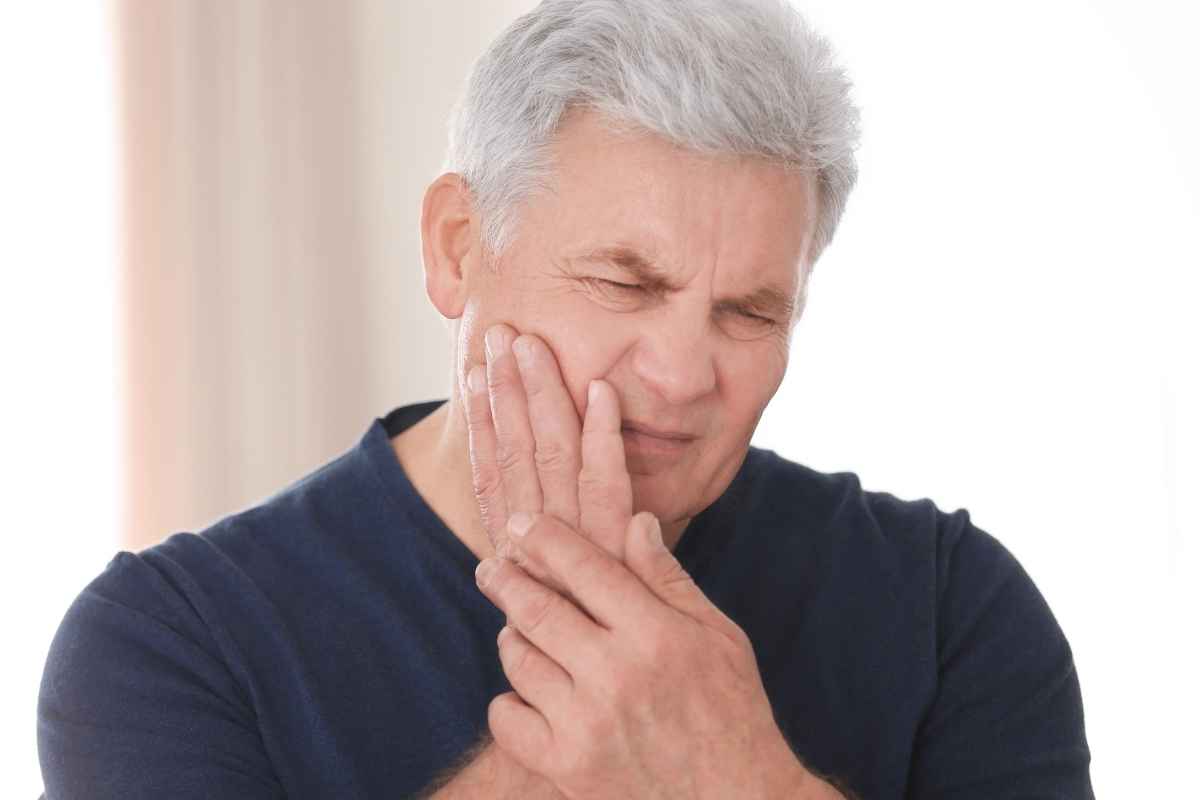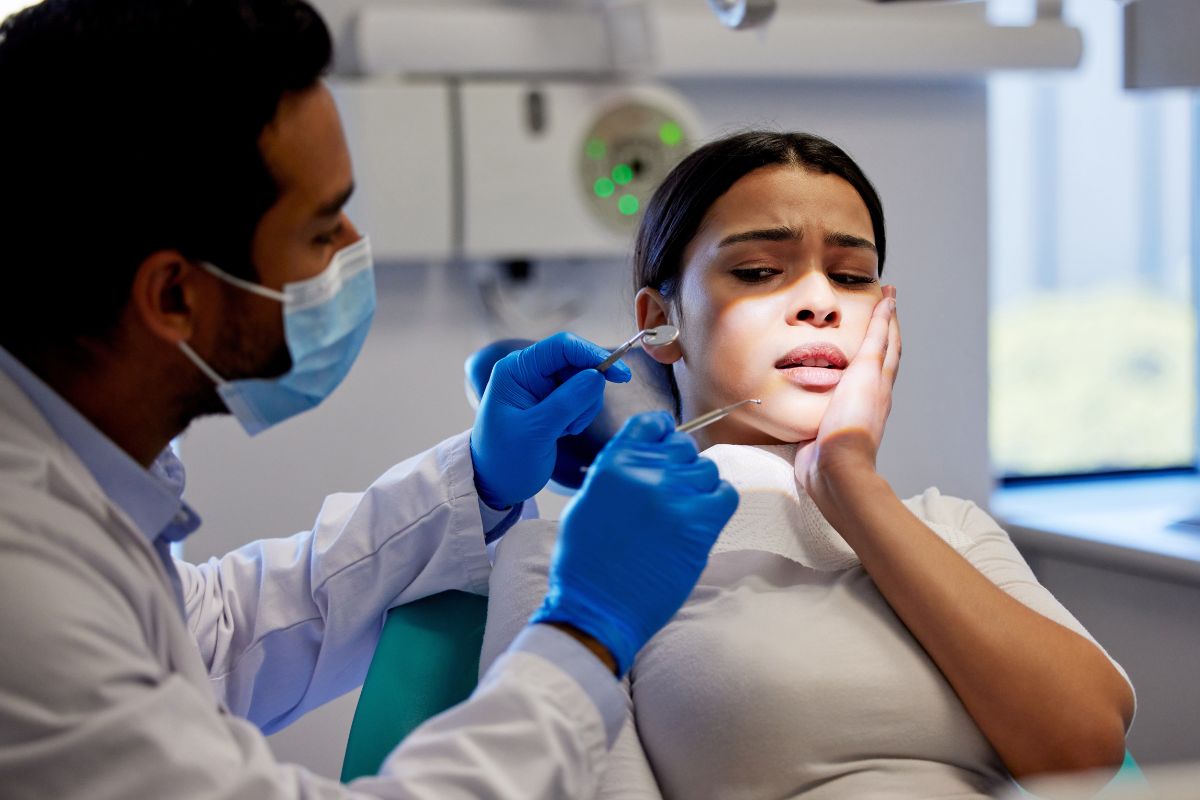

Dental emergencies tend to show up when people least expect them. A cracked tooth during dinner, a sudden ache at night, or a swollen gum that gets worse by morning can disrupt daily life fast. According to many patients who visit an emergency dentist Beaumont families rely on, most urgent dental problems start small and grow when they do not get the right care at the right time. Staying ahead of these issues helps protect your smile and keeps you from dealing with pain, stress and high treatment costs.
This guide shares simple steps that help lower your risk of dental emergencies. These tips reflect common problems seen by skilled providers across the country, including the team at Gulfside Dental & Orthodontics – Beaumont. With the right habits, you can keep your teeth safer every day.
Why Dental Emergencies Happen
Most emergencies come from a few common causes. When you know what these causes are, you can avoid many risky situations.
1. Untreated tooth decay
Small cavities turn into bigger ones when they go unnoticed. They reach deeper layers of the tooth and cause sensitivity, pain or infection. An untreated cavity is one of the top reasons someone ends up calling an emergency dentist Beaumont patients look for during late hours.
2. Gum problems
Swollen or bleeding gums signal trouble. Infection in the gums can spread, cause loose teeth and lead to urgent care needs. Healthy gums protect your teeth, so ignoring changes in gum health raises the chance of a sudden dental issue.
3. Injuries or accidents
Biting hard food, playing sports without a mouthguard, or slips and falls often result in chipped or broken teeth. Some accidents are unavoidable, but many can be prevented with proper safety steps.
4. Teeth grinding
Grinding wears down enamel and weakens teeth. Over time, cracks form and increase the chance of breakage. A dentist can check for grinding signs during routine exams.
5. Delaying dental visits
Skipping regular checkups hides problems. You may not feel pain, but trouble often grows quietly. A simple visit every six months gives your dentist Beaumont patients trust a chance to find small issues before they turn severe.
Daily Habits That Protect Your Teeth
Strong teeth and healthy gums start at home. A few small habits make a large difference in lowering the risk of emergency care.
Brush gently twice a day
Use a soft-bristled brush and fluoride toothpaste. Hard brushing damages gums and enamel. Gentle, steady strokes clean better and protect your mouth.
Floss every night
Flossing removes food and plaque between teeth, where gum disease often begins. It keeps your mouth clean and lowers the chance of inflammation or infection.
Limit sugary snacks and drinks
Sugar feeds bacteria that cause decay. Sipping sodas or sweet drinks through the day exposes teeth to acid for hours. Choose water when possible.
Drink plenty of water
Water helps rinse away food and acid. It also supports saliva, which protects teeth naturally.
Use mouthwash
An alcohol-free rinse helps reduce bacteria and improves gum health.
How to Prevent Injury-Related Emergencies
Accidents happen, but some simple steps can reduce the chance of cracked teeth or cuts in the mouth.
Wear a mouthguard during sports
Both kids and adults should protect their teeth during contact sports or any activity where injury is possible. Custom mouthguards fit better and offer stronger protection.
Avoid chewing on ice, pens or hard candy
These habits break teeth. Even strong teeth can chip when biting hard objects.
Be careful with sticky foods
Caramel, taffy and certain gummies can pull on dental work and loosen fillings or crowns.
Do not use your teeth as tools
Many chipped teeth happen from opening bottles, biting thread or tearing packaging. Always use proper tools instead.
Signs You Should Not Ignore
Knowing when to act helps prevent bigger issues. Call a dentist Beaumont patients trust if you notice:
- Sudden tooth pain
- Sensitivity to hot or cold
- Swelling around gums or jaw
- A cracked or chipped tooth
- Bleeding that does not stop
- A loose adult tooth
- A metallic taste, which can signal a broken filling
Early action keeps a small problem from turning into an emergency.
Treating Problems Early Saves Time and Money
Most dental emergencies are preventable with routine care. When you see your dentist twice a year, they check for decay, gum health, bite issues and early signs of infection. These visits help patients avoid expensive treatments and painful situations.
Routine care also includes simple cleanings that remove plaque and tartar, which lower risks of gum disease and bone loss.
If your dentist finds an issue, do not delay treatment. Fixing a small cavity or gum irritation early is easier than managing severe pain later. This is one reason why many people rely on an emergency dentist Beaumont residents trust. Quick attention keeps teeth strong and reduces the chance of losing a tooth.
If you feel pain, notice swelling or think something is wrong, reach out to a dental office right away. Quick attention can prevent serious problems and protect your health.
How We Supports Patients
The team provides routine exams and treatment options that help keep teeth strong. Their goal is to help patients prevent problems before they become urgent. While emergencies are sometimes unavoidable, expert guidance helps reduce risk. This includes helping with:
- Custom mouthguards
- Early cavity detection
- Gum disease checks
- Assessing cracked or worn teeth
- Advice for teeth grinding
These steps work together to lower your chance of sudden dental trouble.
What to Do During a Dental Emergency
If an accident or severe pain does occur, stay calm and take the right steps.
1. Toothache
Rinse your mouth with warm water. Use a cold compress on your cheek. Avoid putting aspirin on the gums.
2. Broken or chipped tooth
Save any pieces if possible. Rinse your mouth with water and apply gentle pressure if there is bleeding.
3. Knocked-out tooth
Hold the tooth by the crown, not the root. Rinse gently. Try to place it back into the socket or store it in milk and seek help right away.
4. Lost filling or crown
A temporary dental material or sugar-free gum can help cover the area until you see a dentist.
5. Swelling
Do not apply heat. Cold compresses help control swelling and discomfort.
Frequently Asked Questions
1. What counts as a dental emergency?
Severe pain, swelling, infection, bleeding, loose teeth and broken teeth are common emergencies that need quick care.
2. How soon should I see a dentist for tooth pain?
Call your dental office right away. Tooth pain often signals early decay or infection.
3. Can a small cavity turn into an emergency?
Yes. A small cavity grows deeper over time and can reach the nerve, which causes pain and infection.
4. How do I avoid breaking a tooth?
Use a mouthguard, avoid hard foods and do not use teeth as tools.
5. Is gum swelling an emergency?
Swelling can signal infection. Contact a dentist if swelling appears suddenly or lasts more than 24 hours.
6. Can stress cause dental emergencies?
Stress leads to grinding, which can crack teeth and cause jaw pain.
7. How do regular checkups prevent emergencies?
Your dentist finds small issues and treats them early, preventing infections and severe pain.
Conclusion
Avoiding dental emergencies starts with small daily habits, safe choices and regular checkups. Good care now helps you avoid unexpected pain later. Paying attention to signs your mouth gives you keeps problems from getting worse. Families who follow these simple steps often need fewer urgent visits to an emergency dentist Beaumont locals rely on.
If you feel pain, see changes in your gums or think something is wrong, contact a dentist Beaumont residents trust for clear guidance. Taking action early protects your smile and your health.