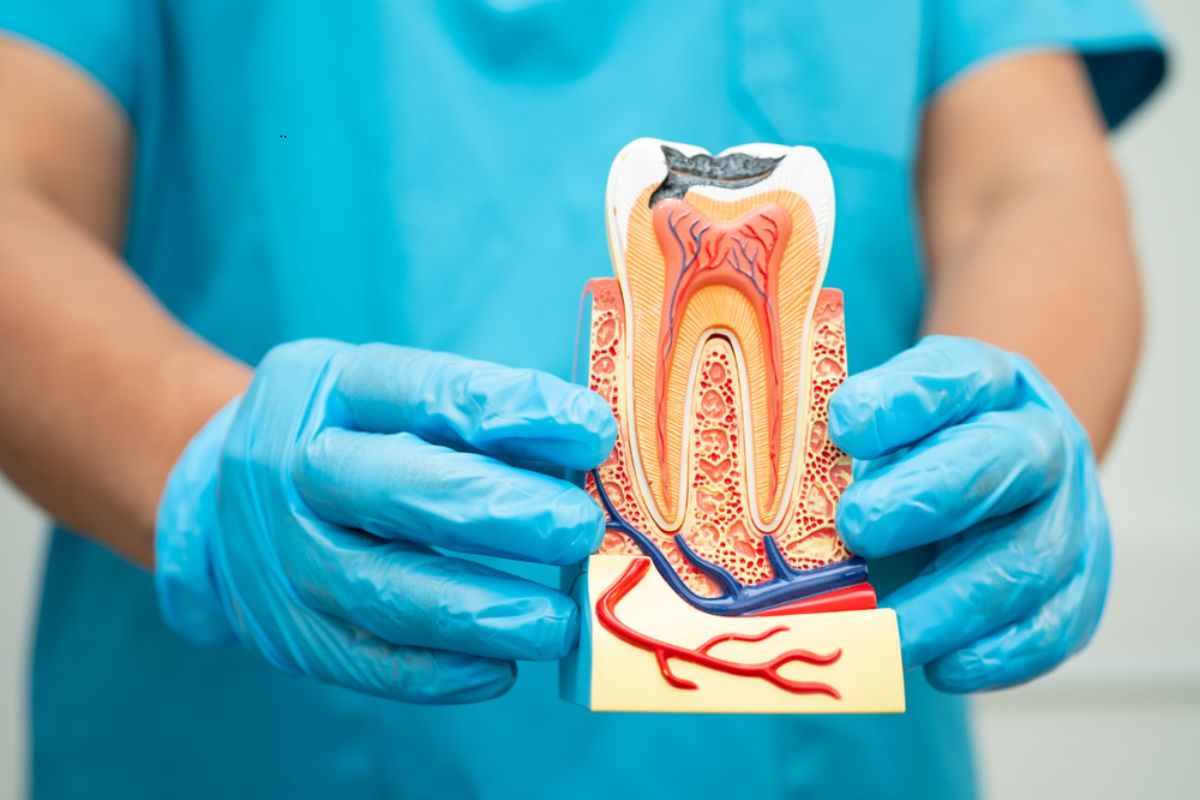
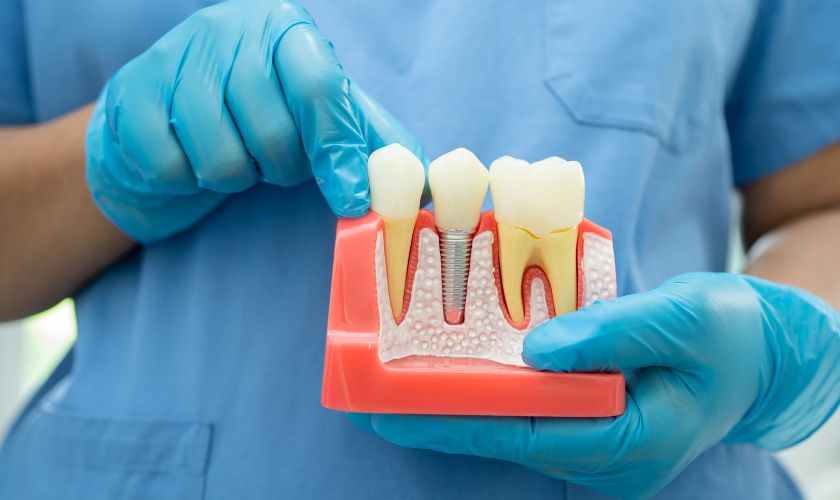
Tooth decay, ranking as the second most prevalent disease in the US after the common cold, continues to impact a significant portion of the population. Throughout history, a prevailing belief attributed tooth decay to a mythical creature known as the toothworm. This tiny worm, according to the belief, caused toothache by slowly consuming the tooth through dental caries. Despite its prevalence across different cultures, some still adhere to the tooth-worm belief.
Pierre Fauchard, hailed as the Father of Modern Dentistry, debunked this legend in his seminal work, “Le Chirurgien Dentiste” or “The Surgeon Dentist,” during the Enlightenment period. This marked a turning point for Endodontic, with significant advances leading to the popularity of endodontic treatment.
Understanding Endodontic Treatment
Derived from the Greek words “endo” (inside) and “odont” (tooth), endodontic therapy, commonly known as root canal therapy, involves the removal of damaged pulp to prevent infection and future microbial invasion.
Indications for Root Canal Treatment
The pulp, a soft tissue within the tooth housing blood vessels, nerves, and connective tissues, may become inflamed or infected, resulting in a condition known as pulpitis and causing intense toothache. Root canal treatment serves as an effective solution to save the tooth. Various factors, including tooth decay, repeated dental procedures, traumatic damage (such as cracks or root fractures), and gum disease, can contribute to root canal issues.
Procedure Overview
Administration of local anesthesia to numb the tooth and surrounding tissues.
Drilling a small access hole in the affected tooth to gain entry to the pulp chamber and initiate the treatment.
Removal of the decayed or diseased pulp tissue relieves the associated tooth pain.
Thorough cleaning and disinfection of the canal and pulp chamber using antiseptic and antibacterial solutions.
Utilization of root canal fillings, typically gutta-percha, sealer, and adhesive cement, to seal the created canal space and prevent reinfection.
Root canal therapy Beaumont emerges as a crucial intervention to preserve teeth afflicted by pulp-related issues, offering relief from pain and promoting enduring oral health. This procedure, rooted in historical myths, has evolved into a sophisticated dental treatment backed by scientific advancements.