
In dental procedures, root canal therapy often evokes a mix of curiosity and apprehension. It’s a treatment designed to save a severely damaged or infected tooth, but understanding the process can help alleviate concerns. This guide will walk you through the first steps of this crucial dental procedure.
Introduction
Root canal therapy, often referred to simply as a root canal, is a dental procedure to treat issues within a tooth’s inner chamber. While it may sound intimidating, modern advancements in dentistry have made root canals more comfortable and effective than ever before. Patients have access to skilled dentists who specialize in this procedure, ensuring optimal outcomes and minimal discomfort.
Understanding Root Canal Therapy
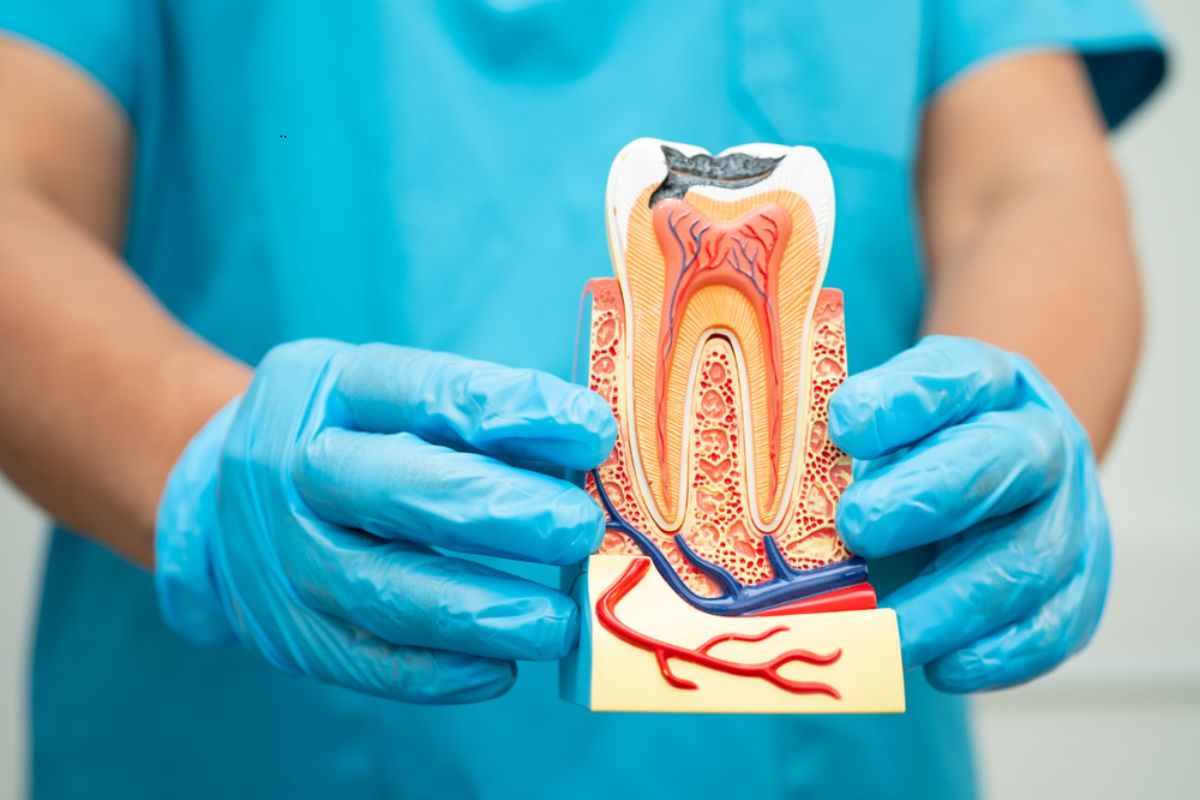
Before delving into the specifics of the first steps of root canal therapy, it’s essential to understand why this procedure is necessary. When the pulp inside a tooth becomes infected or inflamed due to deep decay, trauma, or repeated dental procedures, it can lead to severe pain and potential tooth loss if left untreated. Root canal therapy aims to remove the infected or damaged pulp, clean and disinfect the interior of the tooth, and seal it to prevent further infection.
The First Steps: Diagnosis and Evaluation
The journey of root canal therapy typically begins with a visit to your dentist. The first step involves a thorough examination to assess the condition of the affected tooth. Your dentist will review your dental history, discuss any symptoms you may be experiencing, and perform a series of tests to determine the extent of the damage.
Diagnostic tools such as X-rays play a crucial role in identifying the presence of infection or damage within the tooth and surrounding structures. These images provide valuable insights that guide the treatment plan and ensure that no underlying issues are overlooked.
Once the diagnosis is confirmed, your Boynton Beach dentist will discuss the recommended course of action and address any concerns or questions you may have about the procedure. It’s essential to communicate openly with your dental provider to ensure that you feel informed and comfortable moving forward.
Preparing for Treatment
After the initial evaluation, preparations for root canal therapy begin. Your dentist will discuss the treatment timeline, including the number of appointments required and any preoperative instructions you need to follow.
In some cases, especially if there is significant swelling or infection present, your dentist may prescribe antibiotics to help alleviate symptoms and reduce the risk of complications. It’s important to take any medications exactly as prescribed and to notify your dentist of any adverse reactions.
Anesthesia and Comfort
One of the primary concerns for patients undergoing root canal therapy is discomfort during the procedure. However, advancements in dental anesthesia have made the experience much more tolerable. Before beginning the treatment, your dentist will administer local anesthesia to numb the affected area and ensure that you remain comfortable throughout the process.
For patients who experience heightened anxiety or fear of dental procedures, sedation options may also be available to help relax and alleviate stress. Your dentist will discuss these options with you beforehand to determine the most suitable approach for your individual needs.
Accessing the Tooth
With the necessary preparations complete, the first step of root canal therapy involves gaining access to the inner chamber of the tooth. To do this, your dentist will create a small opening in the crown of the tooth, providing access to the pulp chamber and root canals beneath.
This process is typically performed using specialized dental instruments and precision techniques to minimize trauma to the surrounding tooth structure. Once the access point is established, your dentist will carefully remove any decayed or damaged tissue from within the tooth, ensuring that all infected material is thoroughly cleared away.
Cleaning and Shaping the Canals
Once access to the pulp chamber and root canals is achieved, the next step involves cleaning and shaping these spaces to remove any remaining infection and prepare them for filling. This process is crucial for ensuring the success and longevity of the root canal treatment.
Using a series of specialized instruments, your dentist will meticulously clean the canals, removing debris, bacteria, and damaged tissue. The canals are then shaped to facilitate the placement of the filling material and ensure a snug fit that seals the interior of the tooth effectively.
Throughout this process, irrigation solutions are used to flush out debris and disinfect the canals thoroughly. This helps eliminate any remaining bacteria and reduces the risk of reinfection following the procedure.
Temporary Filling
With the canals cleaned and shaped, your dentist will temporarily seal the access opening in the tooth to protect it between appointments. This temporary filling prevents contamination of the interior of the tooth and maintains its structural integrity until the final restoration can be placed.
Conclusion
The first steps of root canal therapy lay the foundation for a successful treatment outcome. From diagnosis and evaluation to accessing the inner chamber of the tooth and cleaning the root canals, each step is crucial for effectively treating infection and preserving the natural tooth structure. By understanding what to expect during the initial stages of root canal therapy, patients can approach the procedure with confidence and peace of mind, knowing that they are taking proactive steps to restore their oral health and preserve their smiles for years to come.